

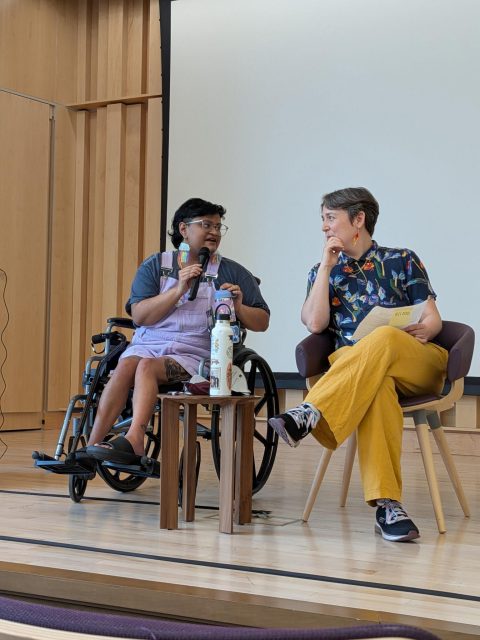
Swati “Lucky” Srikumar and Maia Kobabe are both California-based nonbinary cartoonists, longtime friends, and the co-authors of a new middle grade comic from Scholastic, Opting Out.
Opting Out is an exquisite exploration of the agony and ecstasy of being twelve years old. The book grew out of feedback Kobabe (who uses e/em/eir pronouns) got from parents who read eir 2019 memoir, Gender Queer. Kobabe said in a 2022 SPX panel: “It was written mostly based on feedback I received when Gender Queer first came out from parents who would say ‘I read this and it was so useful, but my gender nonconforming child is twelve, or ten, or eight, or six, a little too young for this book. I had a lot of parents ask me: ‘Would you ever make an all-ages version of Gender Queer?’ I was like, ‘I don't want to abridge my memoir — that feels weird — but I could write a new book that hopefully addresses what you're asking me.”
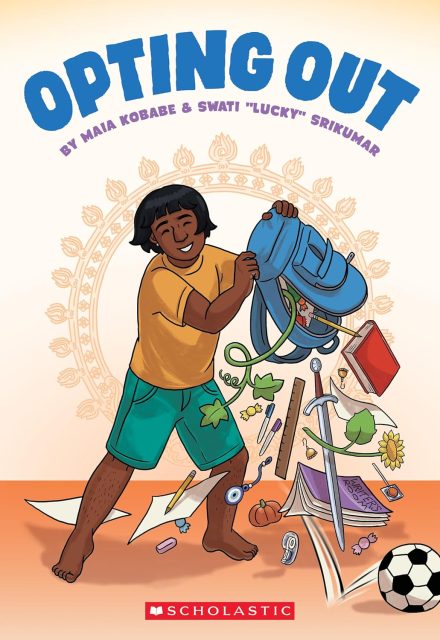
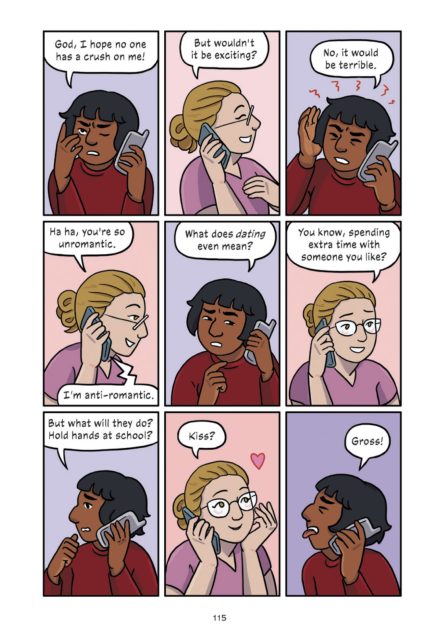
In May of this year, Opting Out was published by the Scholastic imprint Graphix. It follows a year in the life of twelve-year-old Saachi as she wrestles with gender, friendships, and her emerging identity as an artist.
In June, I spoke with Maia and Lucky about Opting Out, their comics-making rituals, the intersection of art and activism, and their advice for young cartoonists.
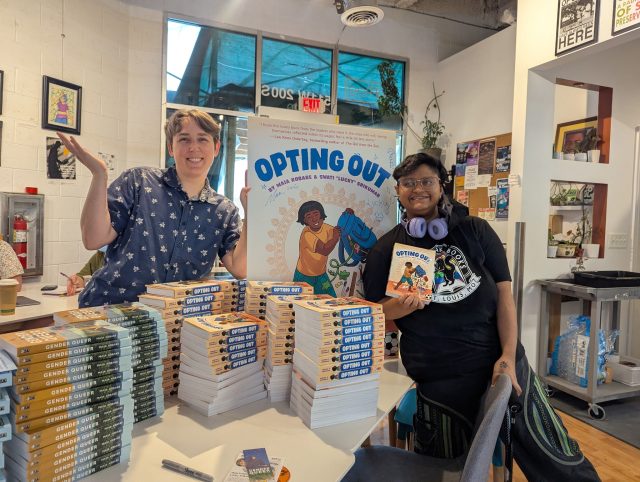
MADELEINE JUBILEE SAITO: You’ve been on a very big book tour for Opting Out. How is that going?
MAIA KOBABE: This is my third book, but this has been a heavier promotion schedule than I've ever done before. Scholastic sent us on a trip that was five states in eleven days. It’s an intense way to travel, and I do think that eleven days was about the absolute max for both of us.
SWATI “LUCKY” SRIKUMAR: It’s super fun, but also, a new city every other day is a lot for my little autistic brain that is craving some kind of routine.
MK: We became a well-oiled travel machine by the last stop. We travel together extremely well. We have well-interlocking skill sets. I do all the walking, and Lucky does all of the ordering of everything on the phone.
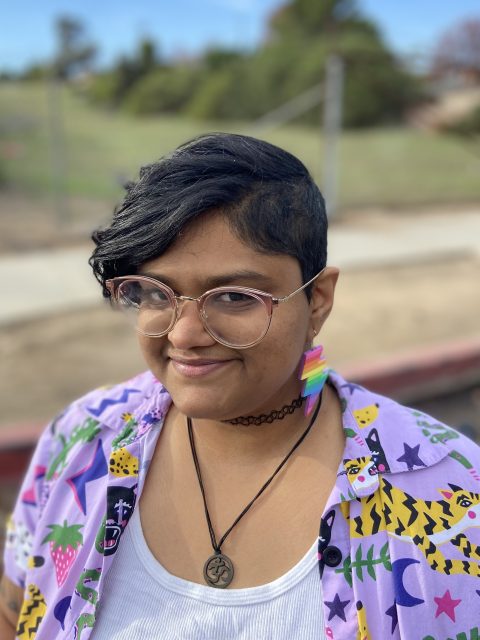
SLS: Maia’s like, “Downloading an app? Oh god!” [Laughs.]
MK: I’m pushing the wheelchair, Lucky is texting the driver. That’s the teamwork. And we yapped continuously for eleven days.
SLS: Almost all our events have been entirely adults, but we had a couple of kids. And both times, the kids were reading the book the whole time we were talking. And we were like, YES! [Laughs.]
MK: We were like, that is actually great! [Laughs.]
SLS: Everything I have to say to you is in the book!
How did this book start? How did you become collaborators?
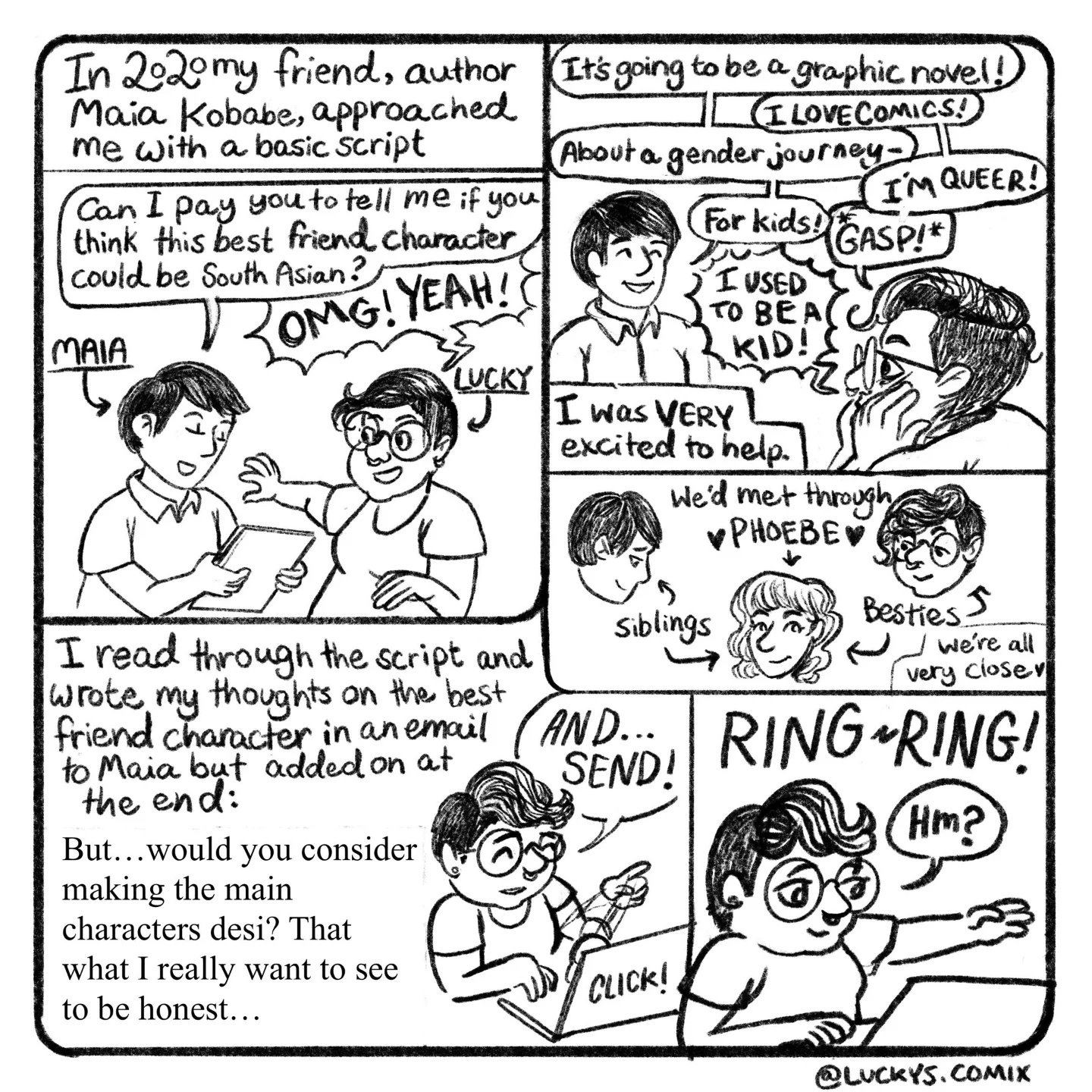
MK: My sibling, Phoebe Kobabe, went to the same college as Lucky, and Phoebe introduced us over a decade ago.
SLS: The three of us were really tight.
MK: I really wanted to write a book for younger readers that wrestled with the same sort of gender and identity questions that Gender Queer had asked, but didn't get into the sex and dating stuff. I wrote a very early bullet-point-y script in April 2020.
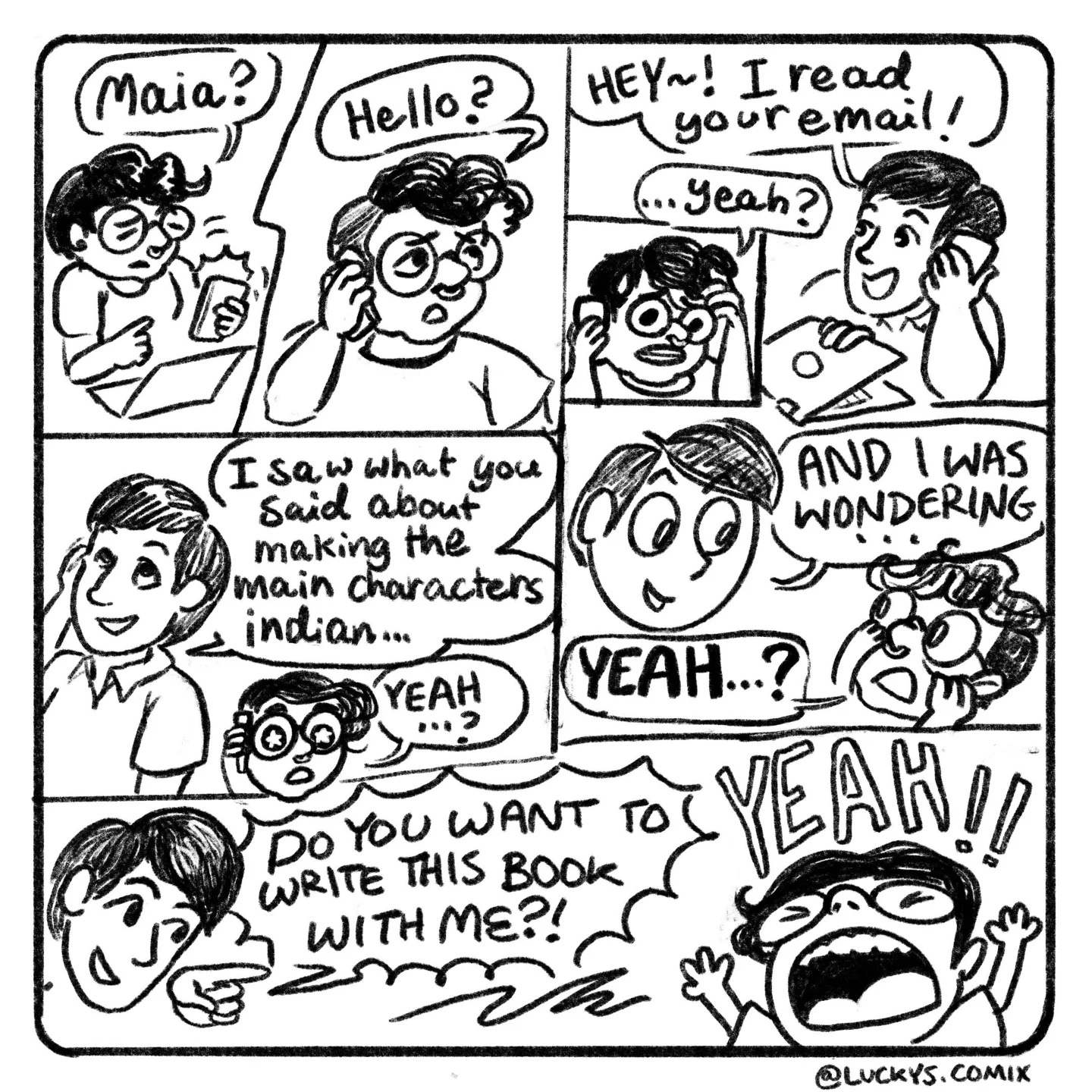
I really wanted to make sure there was a main character of color in the book. I was already friends with Lucky, who’s also a cartoonist, also nonbinary, and is desi. I also have some other people who are desi in my community, including my brother-in-law — so I thought maybe I could ask Lucky to take a read of the script and see if one of the major characters, perhaps the best friend, could be first generation Indian American. Lucky took a pass at the script and gave me some stellar advice which changed everything.
SLS: I was like, “I want the main characters to be Indian.” Maia was like, “I can do that, if you write it with me.” I was like, “Absolutely!”
Did you co-write everything? Who did what?
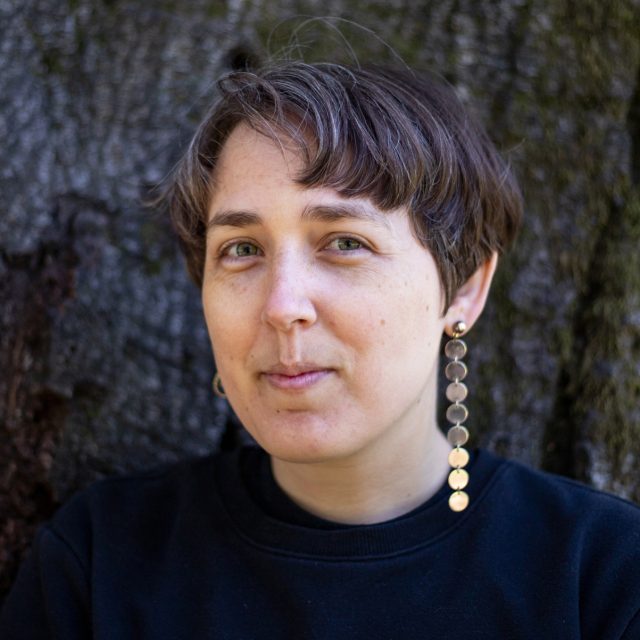
MK: The script was quite 50-50. A lot of times we were literally both in the same Google document writing different scenes at the same time, so the document would be growing in different places.
SLS: We just kept adding pages. [Laughs.]
MK: I did a character design pass, but I had never done a book for young readers before, so all the characters looked like they were 25. I was like, oh no, I've written a book for young readers, but I maybe don't know how to draw kids? Lucky was like, “I got you” and did a character design pass of all the major children and the parents. Then I did a second character design pass working off Lucky's designs.
I did thumbnails and pencils and inks, and Lucky did colors for the first 50+ pages and a color style guide. We got into a crunch period at the end of our deadline. My sibling, Phoebe Kobabe — who also colored Gender Queer — was one of the colorists on the book, as were two other nonbinary cartoonist friends. For a total of five nonbinary cartoonists who all contributed colors to the final book.
Was there anything that surprised you about working together?
SLS: There were so many times where I was struggling, and I thought Maia would be mad at me. Instead, e just came to me with the energy of a friend who loves me, like, “No, dude, you're struggling. Don't worry about this. Take care of yourself.” That endless grace I was given was really rewarding, because it's taught me to give myself that grace.
MK: I think the surprising thing is just what happens when you put two human brains together — the ideas that come up that I don't know that any one brain can come up with alone.
I really love collaborating. My previous book to this was also a collaborative book. Especially because we were working on it during lockdown, it was so nice to have someone who was equally as obsessed with my original characters — my OCs — and be able to talk about, “What are our head canons? What does Saachi think about this? How would she react to this?”
SLS: I was like, “This is what I think they'll look like when they're older.”
MK: Lucky was like, “I think when Samaira [Saachi’s younger sibling] and Saachi get older, the younger sibling is gonna grow higher, and Saachi will be like, ‘Ugh, I'm shorter than my little sibling!’”
The only thing that was hard about collaborating is that we were working on the book in a hard time. It was hard to be in COVID lockdown. Also Lucky had to move house basically once a year for the six years we were working on the book.
SLS: I was going through that, and you were going through book bans.
MK: I was facing rising censorship. I was getting calls like, “Come travel, visit us, speak to us, talk to this person.” I was starting to have to develop my public speaking career as a person who is trying to defend free speech, freedom of information, queer rights, and library funding against the rising tide of fascism.
The collab part was only hard because the world is hard. But the collaborating was very joyful. It was a —
SLS: Sanctuary spot.
MK: Yes. Also very early on, we agreed on an ethos: The book cannot come before our health, our human needs, our friendship. We would like to hit deadlines if we can, but we are not going to be prioritizing deadlines over our wellbeing. That’s part of why the book took as long as it did.
We also both had a lot of financial security and family support in order to be like, this book can take as long as it needs to take. We don't have to rush.
SLS: We can let it cook.
MK: We can let it cook and become the rich soup that we desire. [Laughs.]
What kind of rich soup?
SLS: A very hearty stew.
MK: Lots of root vegetables in there, definitely.
SLS: And it’s got some Indian spices.
MK: Definitely. And it’s vegetarian.
SLS: I think it comes from a long line queer people recipes and Indian people recipes. Yeah.
Maia, you’ve mentioned that this book started as a way to explore themes similar to what you explored in Gender Queer, but for younger readers. Gender Queer was published in 2019 — what was it like to revisit those themes again, many years later?
MK: It was cool! In the last eight years since I worked on Gender Queer, I’ve continued to grow in my own understanding of my gender. I’ve read more books, and had more friends come out as trans. At the same time, we are in a world that is more hostile than ever towards trans rights, especially youth access to trans-affirming healthcare. It feels more important than ever to be writing stories that will help people think about their identity, and help parents and guardians think about how to support and and love a gender nonconforming child in their life. It feels increasingly urgent.
But at the same time, it is still very joyful because it is one of my favorite topics. I want to keep writing about gender and sexuality and identity, especially as it all intersects with family relationships, creative practice, friendships.
And fortunately, even though the book ban challenges have really come for Gender Queer, we didn't have any trouble selling this book. We had multiple publishers who were interested. With all of them, we asked, “Is there anything in this book that you expect to receive pushback, or that the marketing department would have trouble with?”
We chose Scholastic in part because we wanted to work with a queer editor. Our editor, David Leviathan, was like, “there is nothing in this book that you’re gonna be asked to tone down.” We felt a lot of support from the editorial and publishing side.
SLS: And he's been fighting book bans.
MK: Exactly. The fact that David Leviathan is one of the founding members of Authors Against Book Bans and has also faced challenges for much of his 20-year authorial career — we knew he would know what it means to publish a queer book for young readers.
It's a difficult time, but we also have a lot of tools and resources and people on our side. I'm certainly not gonna back down from it, that's for sure.
It is such a difficult time. How are each of you thinking about the intersection of your art and your activism right now? Or do they intersect for you?
MK: I definitely think that art can be a piece of activism. I end up donating a lot of signed copies of books and original paintings to fundraisers for different causes.
I also do a fair amount of creating infographic comics, including the most recent one I posted about three very terrible federal book banning bills that are currently in Congress: HR 2616, HR 7661, and HR 8705. If any of these passed, I don't think our book — or any book I've ever written — could be carried in any public school in the United States.
SLS: I’ve described it as finding your environmental niche — where in the ecosystem of activism do you fit? Like, I can sit and make phone calls. I'm happy to do that. [Laughs.]
MK: That's true. You're very good at phone calls. I'm more phone-call-shy. I'm like, I'll research the infographic.
SLS: It’s all so ever-present — the grief has to go somewhere, and the place that it goes for me is comics and art. I was thinking recently: Oh, they literally want us gone, they don’t want trans people to exist. And I thought: Well, too bad, I exist. I made a little drawing, just me holding a trans flag with the text “If they want us gone, we will NOT make it easy for them.” Watching people resonate with that, the fact that it gave them power and strength — that feels like activism to me.
I think that it’s about figuring out what you can do with the energy you have.
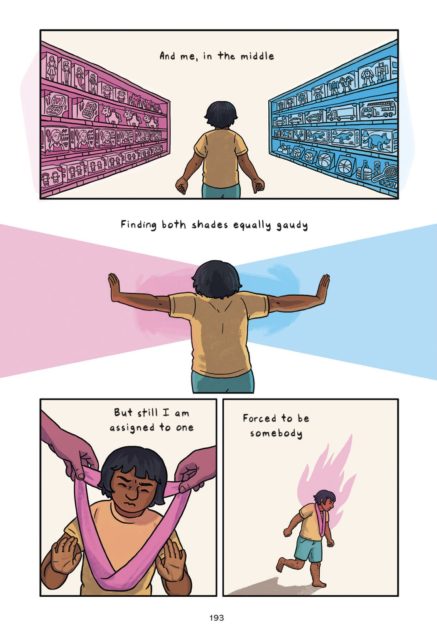
Tell me more about each of your comics-making processes. Do you have rituals of drawing or writing? What are your workspaces like?
MK: For thumbnails, I work on paper — I think best when I have a pencil in my hand. I draw thumbnails at about 2” x 3”, six to a sheet of paper. Once I switched to penciling and inking, I was using a Wacom tablet plugged into a laptop, drawing in Photoshop.
I work from home, and I try to be at my drawing desk by no later than 10-ish in the morning. My most productive hours tend to be 10am–2pm. I get very sleepy in the afternoon, and then I have another burst of energy after I've eaten dinner with my parents, from 8pm–11pm. Those tend to be some of my good working hours.
I also do a lot of habit tracking. When working on this book I'd have a sheet of paper with how many pages I inked so that I could see my average across weeks, and then across a month. My daily goal with the inks is two pages a day, so if I hit two, or maybe 2.5, I can check it off and be like, “aha! I finished the day!”
I find daily habit tracking very useful across a long-term project so that I can celebrate very minor goals, like, “I hit another 10%!” “Now the inks are at 40%!” “Now they're at 50%!” And be excited every time, because it spans across many years.
I can't listen to music with lyrics in English while I'm writing or thumbnailing, so I listen to a lot of non-English music: Celtic music, J-pop, K-pop, Euro pop, etc. Once I switch from thumbnailing to penciling and inking, then I can listen to podcasts and audiobooks. And that is the most beautiful and glorious part of the project for me. I think it was 2024 that I was inking for the entire year, and I listened to 50 audiobooks — basically one a week. I also listen to a lot of D&D actual play podcasts, so Critical Role was my buddy through all of 2024.
SLS: I don't really have a set routine. There are parts of myself that I need to regulate: I have to take my meds every day, I have to eat three meals a day, I have to sleep eight hours a night, and I have to rest when I need to rest. That stuff I've got it down to a science. And then the rest of the stuff is so dependent on energy.
A lot of the time I will find myself in bed with my iPad, drawing until 2:00 AM — that's just when it needs to happen. For example, I knew I needed to write this poem [for the climax of the book], but I thought, okay, it’s not going come for a few months … and then I wrote it that same day. Stuff just has to happen when it happens for me, and I have to go with the flow of whatever my brain is doing.
Lots of times I get frustrated because I’m disabled, I'm in pain, and I need to be in bed all day. I had to learn how to handle that frustration and not feel bad about it. Like I said earlier — that grace of like, “Yeah, you're going through it, bud. I didn't get it done today, I'm gonna try again tomorrow.” Tension and anxiety don’t really work — I need to give myself the space to breathe and let myself cook.
Sometimes I'll just set up my iPad and open the program and put some music on and see what happens, and sometimes that's enough.
I think of it as like: I am my own child. You don't yell at a child. You're very patient with a child. The child's safety and wellbeing comes first.
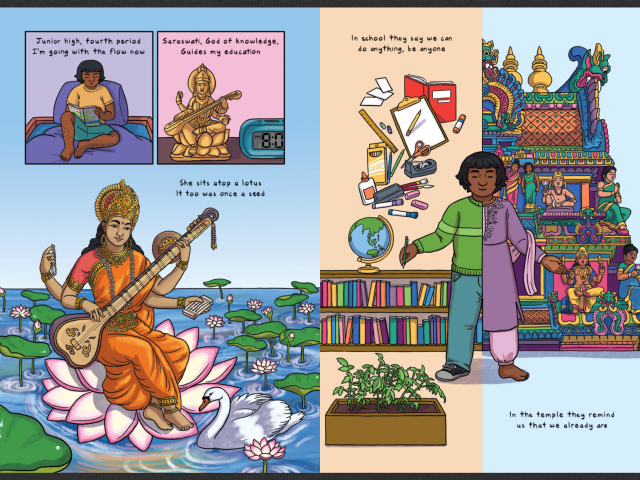
Something I loved about the book is the warmth, the generosity. All of the adults are so kind to the children around them, which gives Saachi the space to be very spiky, angry, occasionally violent. It sounds like the process of making this book embodied that vibe of generosity.
SLS: That's so true. I think that that vibe can only be infused organically — it comes through because it is within us.
MK: We also didn't want Saachi to have to face a lot of external conflict. There’s a friend breakup and the boy at school that Saachi has conflict with, but overall, Saachi is going through a lot internally. It’s about Saachi being able to come to her own internal understandings, and then finding the bravery to be able to share those understandings with the world. That can be really hard, even in a very supportive environment.
We ultimately wanted the book to be very hopeful. And that the parents would not be perfect, they wouldn't know everything, but they would be on Saachi's side. They would always want to hear her side of the story.
And when she finally is willing and ready to come to them with something, they're very receptive to it — even if what they say is, “Well, we don't know that much about this yet, but we're going to learn. We're going to look up some resources. We want to support you because we love you and we believe in your version of reality.”
SLS: The kids deserve to have an example of what could happen if things go right. Maybe your parents aren't like that, but now you have an example of what that would be like. That was really important to us.
This book actually helped my parents become more that way. Once they read it, they were like, “Oh … We get you a lot more now. We get what you needed from us. And we wish we could have been that for you.” And I was like, “It's okay that you weren't, as long as you are now.”
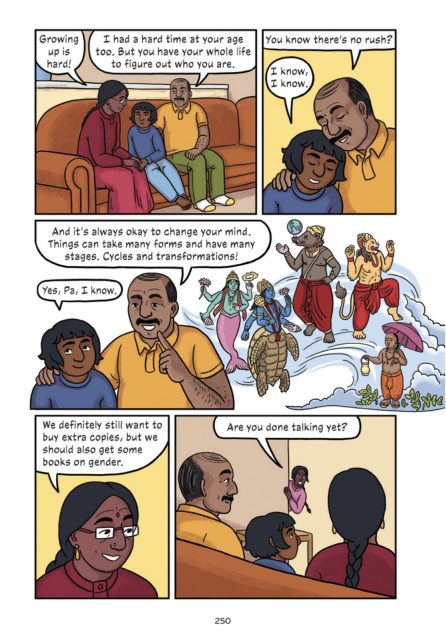
Saachi makes sense of her world through books, through stories. What was your relationship to reading growing up? And what’s it like now?
SLS: I'm dyslexic, so there was a hurdle I had to cross before I started reading voraciously as a child.
MK: For me as well.
SLS: I loved comics — I think that's a very common dyslexia thing.
MK: As an adult, I like to have at least one prose print book, one comic book, and one audiobook all going at the same time so that I can switch between them throughout the day. I like reading on paper while I'm eating breakfast and lunch. And then I like audiobook-ing while I'm drawing and doing any chores like dishes, folding laundry, driving.
I pretty much always have a couple of stories to keep me company. I read a lot. I read probably over a hundred books a year — in general, around a third comics, a third audiobooks, and then a third prose full-length books. And I've maintained that for over 20 years. It’s a hobby, a joy, a delight, a way that I self-regulate, a way that I fill my chores hours with storytelling.
What are the stories that were important to you, that shaped you, when you were Saachi’s age?
SLS: My mind goes straight to going to the temple — and this is in the book, taken from my life. My dad would tell mythological stories and quiz us on them. It informed a lot of my childhood play. I had favorite characters — I loved Hanuman, the monkey god.
MK: As soon as I learned to read, which was not till age eleven because of dyslexia, I started reading a ton. I was so hungry for queer stories and any kind of queer character, especially any kind of character that was gender nonconforming. I don't know that I found a perfect or super affirming version of it as a child, especially in the early 2000s.
Two books that I came across in high school that did have genderfluid or gender nonconforming characters that I immediately latched onto: One was the manga Ranma ½ by Rumiko Takahashi, which has a character who shifts from a male form to a female form across the series.
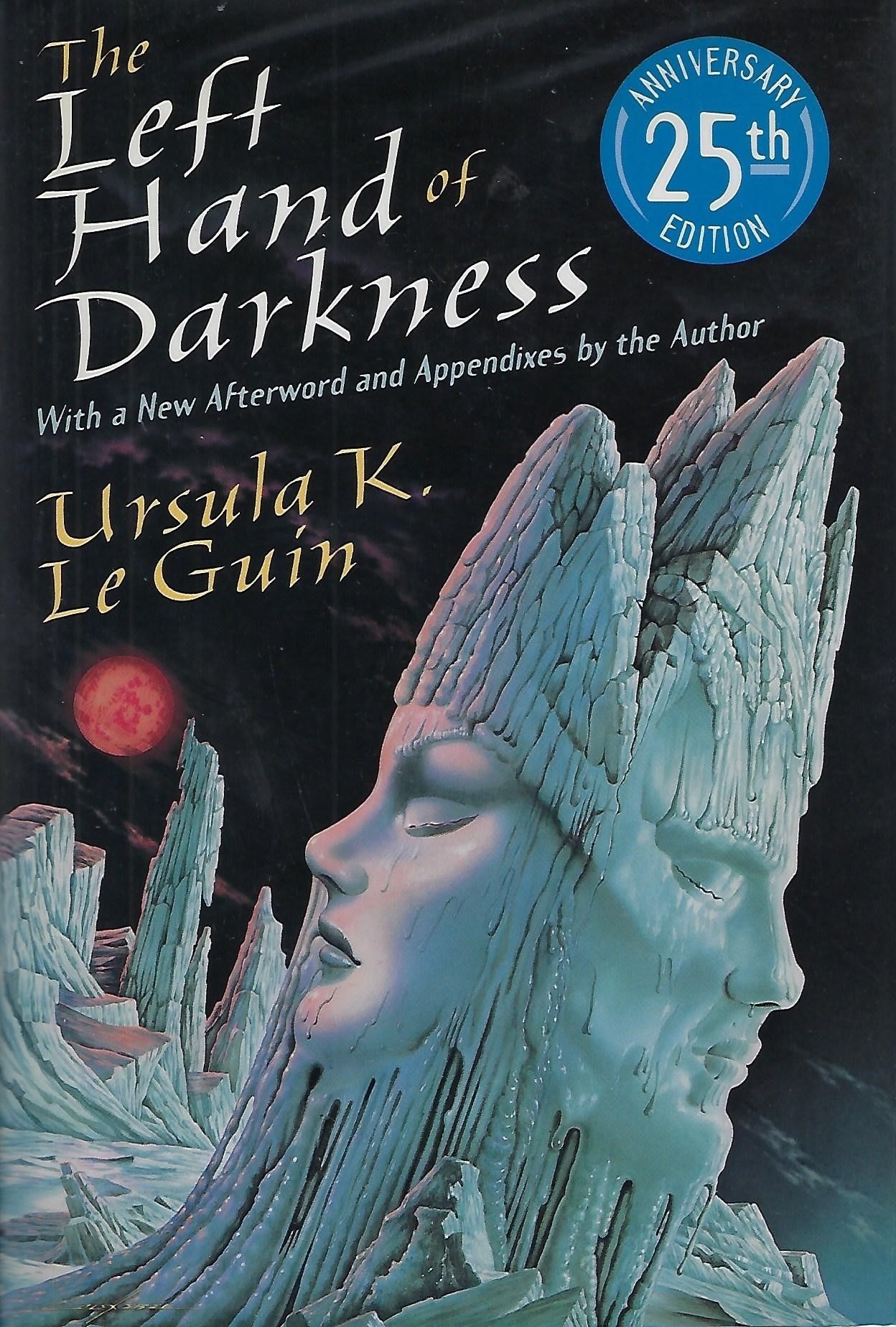
And then The Left Hand of Darkness by Ursula K. LeGuin, which is a sci-fi story that has a whole race of people on a planet who are not male or female most of the time, but present one or the other during a certain period of the month.
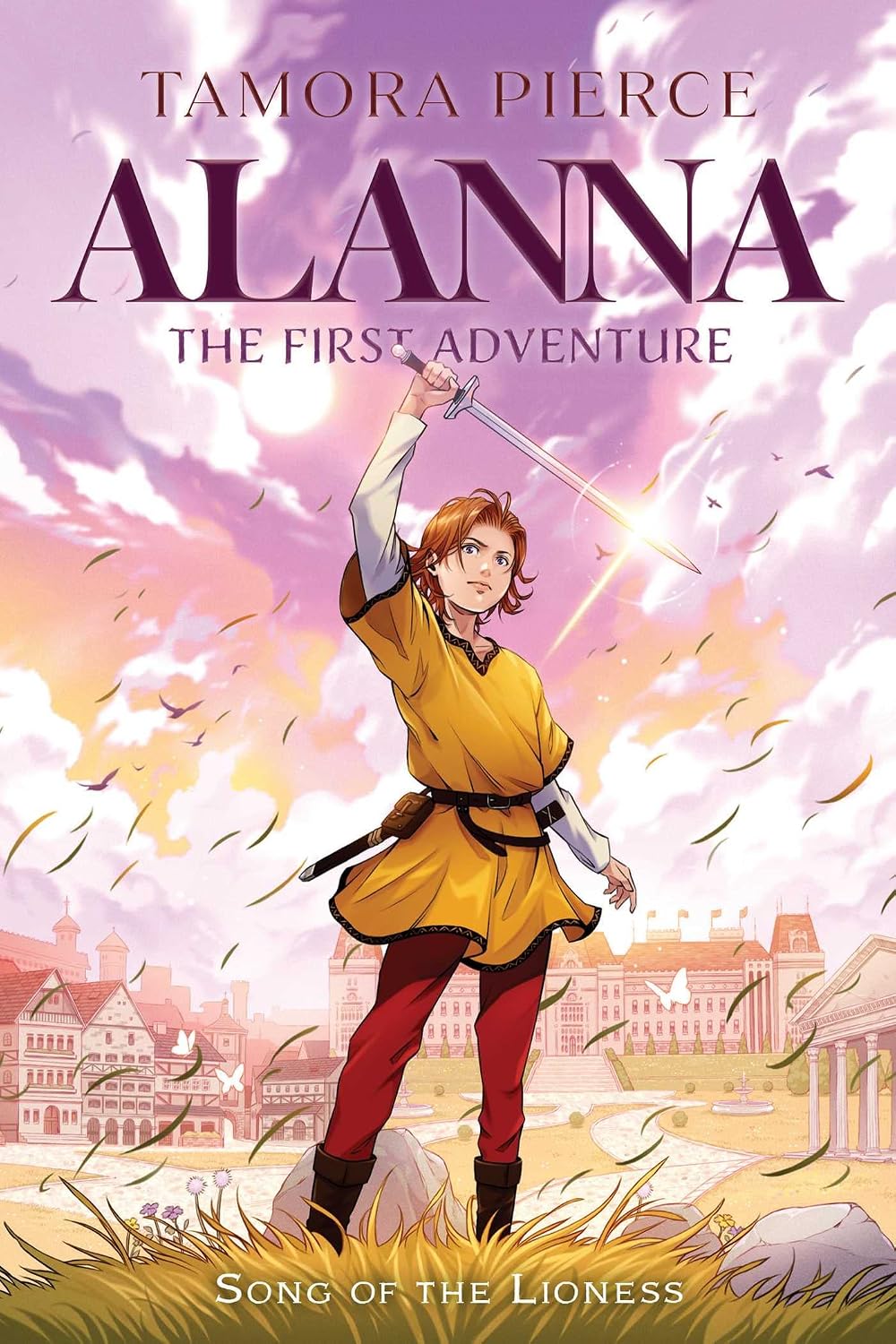
I also really related to the character of Alanna from Alanna: The First Adventure by Tamora Pierce, a tomboy girl who dressed up as a boy to train as a knight. But I only related to Alanna up until she came out as a woman, after that I was like, “I still like the books, but I don't really like this character anymore.” [Laughs.]
Saachi has a relationship to religious experience that felt very real and was one of my favorite parts of this book. It was so specific, so interwoven with her experiences of gender with her family in a way that felt very accurate to how children experience religious interiority. Where did that come from, and what was it like to write about Saachi's spiritual life?
SLS: When Maia brought me in, I was like: “Okay, I'm gonna tell you a bunch of stuff about my culture.” And that involved a lot of talking about Hinduism. I struggle to think of it as religious — it just feels like part of my culture. It’s something I've grown up with. I've gone through phases of not engaging with it, and then feeling welcome in it again, trying to find myself within it, reading more about queer stories and Hinduism. Which do exist, but really get sidelined and censored.
My dad, one of his big special interests is Hinduism, and he reads a lot about it. He studied the Bhagavad Gita in Sanskrit this year. He's my conduit for it, and how I learned a lot of it. We used to watch this anime version of Ramayana, one of the Hindu epics. I made Maia watch it with me, because we had the DVD and used to watch it all the time when I was a kid. It really informed my play.
MK: We watched together on a call during lockdown. I think it's on YouTube. It's about three hours long and it was produced in 1993 as a collaboration between a Japanese animation company and an Indian company. There’s very like, anime eyes —
SLS: And they sparkle! And it’s in English!
MK: In some of the conversations that Saachi has with her father, you were like, “When my dad was trying to explain big life changes to me, he would always go to an example from mythology or a religious metaphor.”
SLS: Because we are made of God, so God is going through the same stuff we're going through.
MK: And that’s his metaphorical language to reach you. So we decided we'd have the dad also be like, “I've got a mythology reference for this whatever the situation! You've got your period? Let's talk about the avatars!” [Laughs.]
SLS: With all of this stuff, it was important to me to not pause and explain it. I think that it's okay if you don't 100% get it — the same way we threw in some Tamil words without translating them.
I also really enjoyed taking you [Maia] to the temple. We went to the temple with my parents and my brother. We did the thing of just sitting, taking in the atmosphere, the smells. Getting to share that with you was so much fun, probably my favorite part of this whole experience.
MK: Yeah. We really wanted to do a trip to a temple here in the United States. Lucky had mostly grown up going to temples in Singapore and India, and obviously those are in completely different cultural contexts. We were able to visit a temple in Livermore, CA called the Shiva-Vishnu Temple. We visited once with just the two of us, and then a second time with Lucky's whole family. It was really cool.
I'm very grateful to have worked with a co-author who really invited me into your culture. We went out to a meal with your parents afterward, visited your parents' house. We took a lot of pictures of the type of art they have up in their house, their statues — a lot of those things made their way into the art. In the book there are pieces from from your parents' house, and pieces from my parents' house, it’s like we were merging them together.
For readers who love the book, what other books would you recommend as a pairing with Opting Out?
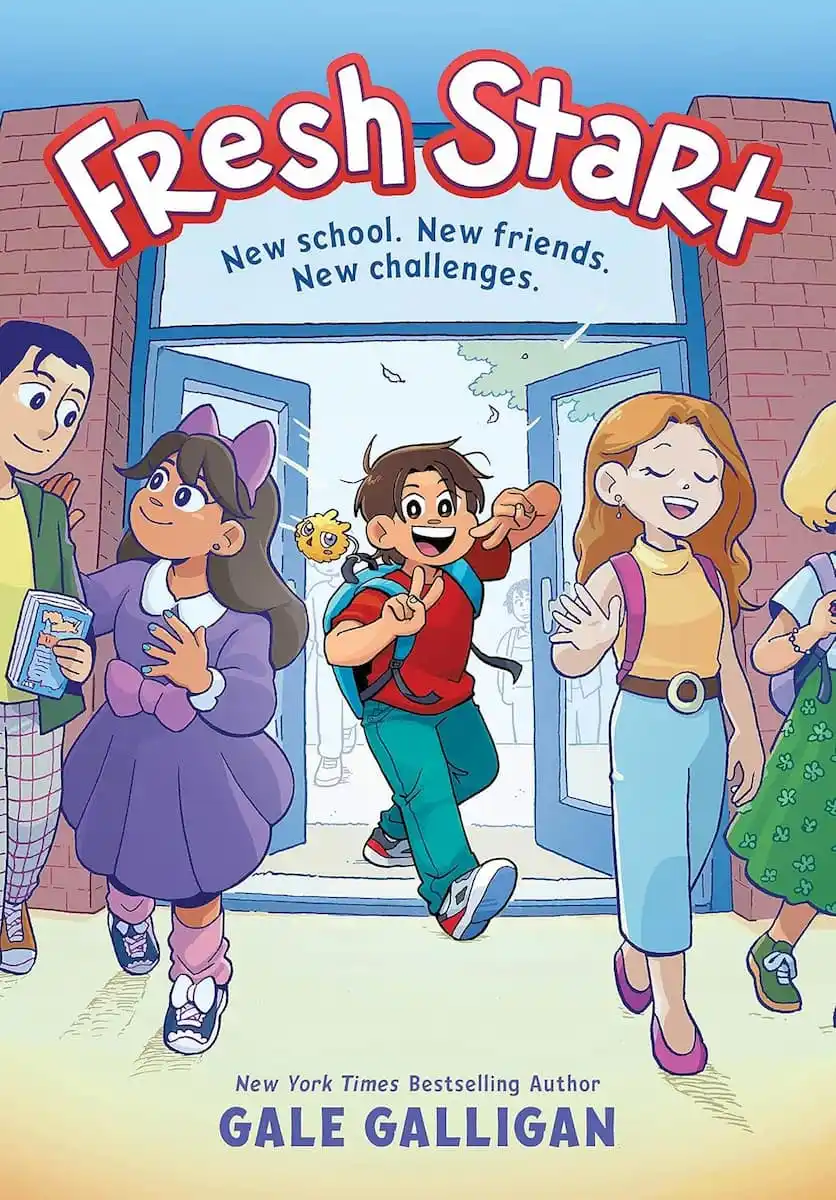
MK: One I would say is Fresh Start by Gail Galligan — this is another middle grade story about a character who is first generation living in the US, and is also a tomboyish, more gender nonconforming older sibling. That main character also experiences getting their period for the first time. There's a lot of interesting overlap. I think that's a good one.
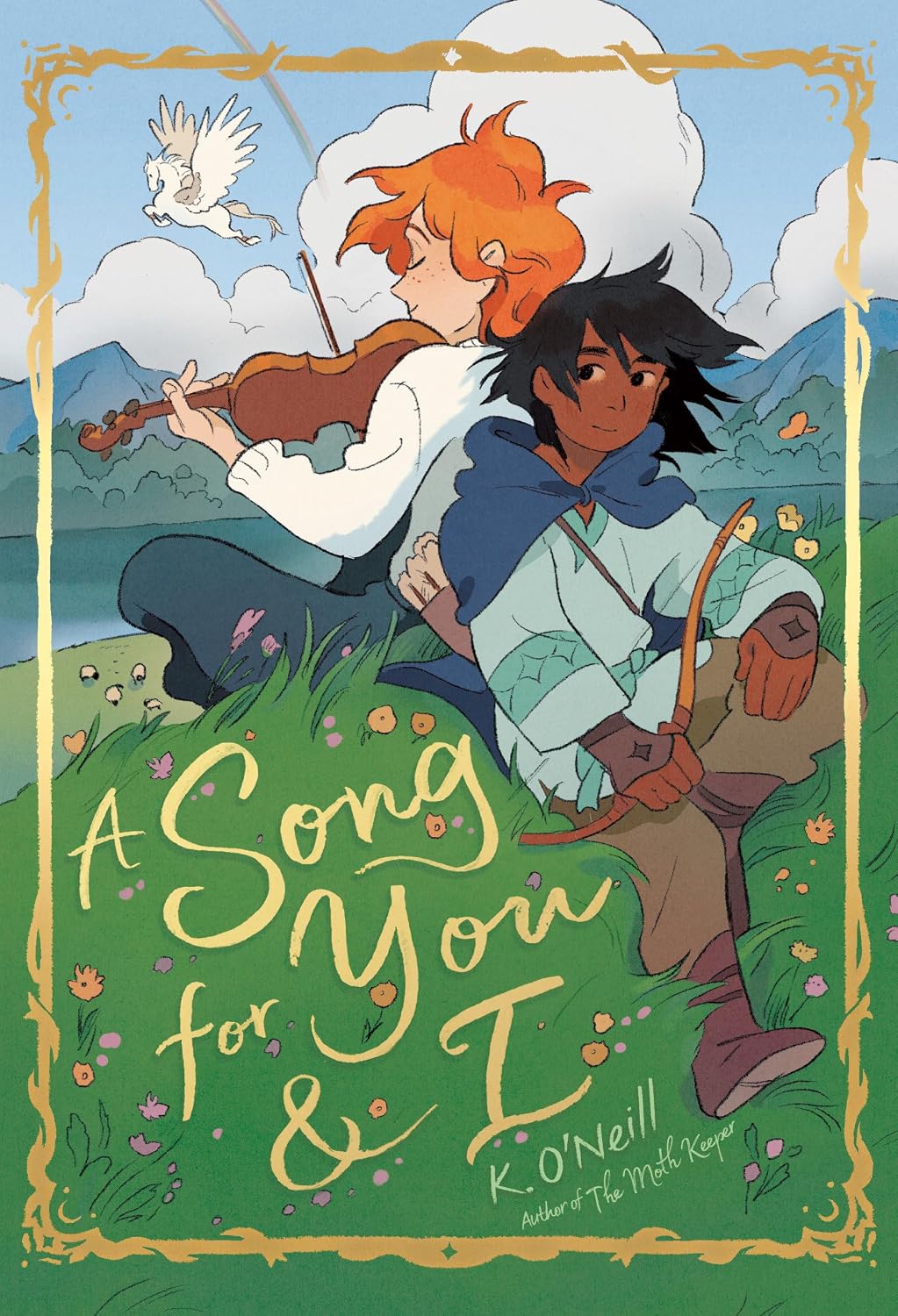
A Song for You and I by K. O'Neill also has a character who is sort of questioning gender, but it's a very gentle, slow, internal questioning.
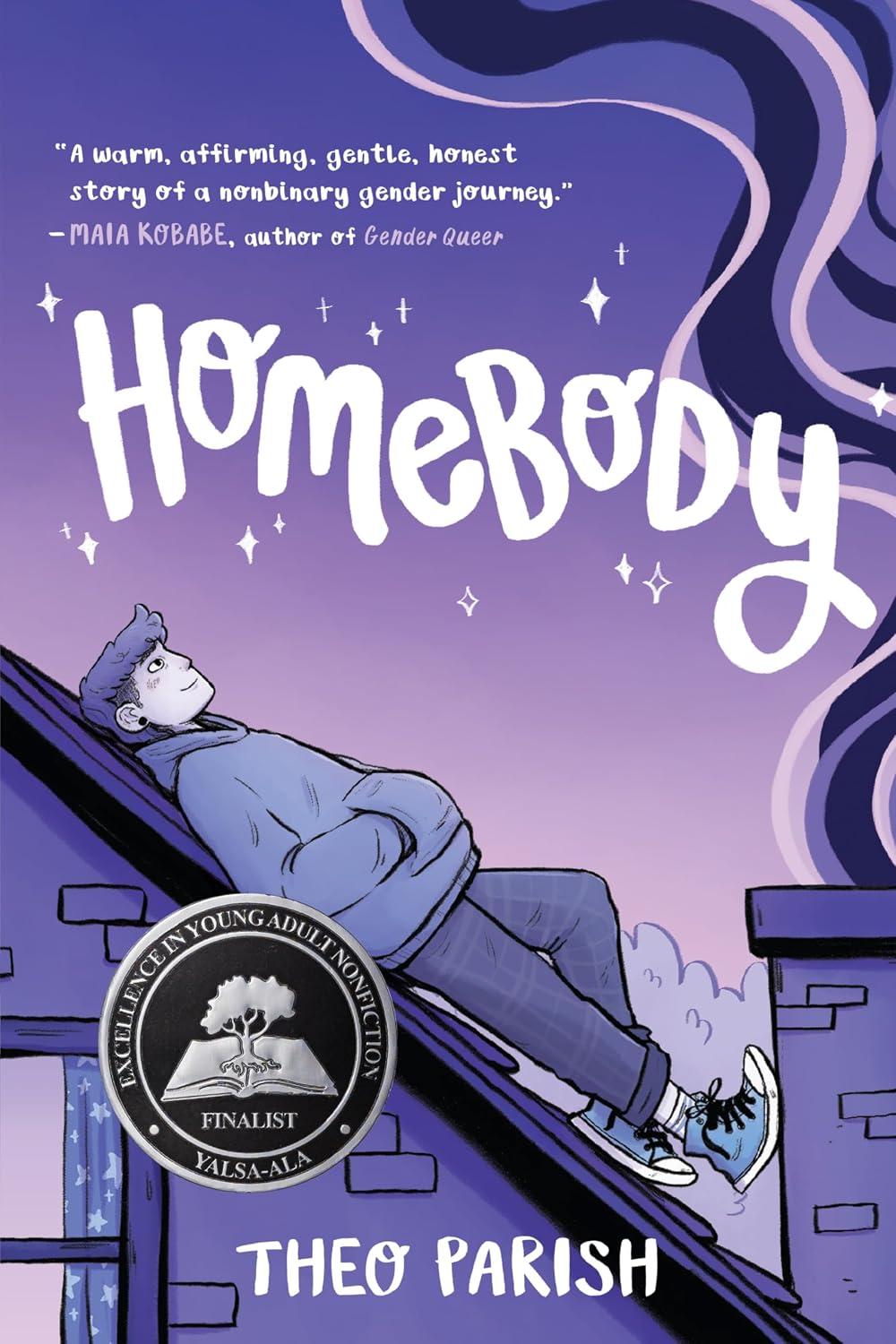
Homebody by Theo Parish — in many ways, I feel like that book is Gender Queer for younger readers. It's another nonbinary cartoonist writing about exploring their identity, but stays in the YA realm and doesn't get into the more adult topics.
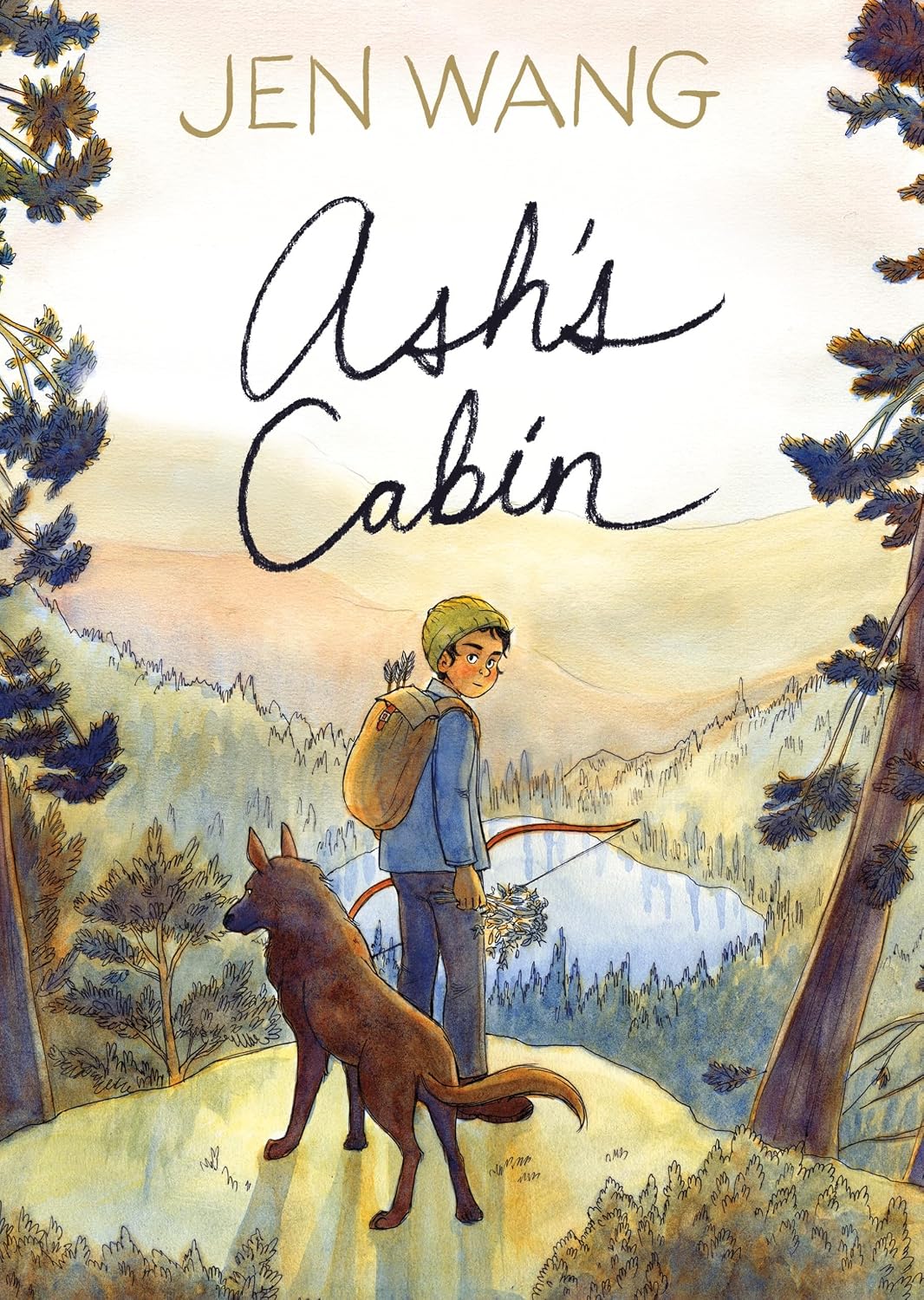
And then Ash's Cabin by Jen Wang is a beautiful book about a nonbinary character who is really struggling with finding their place in the world and friendship and society, and goes so far as to run away and live in the woods. I feel like Saachi wouldn't do that, but Saachi would read and love the book Ash's Cabin, would be obsessed with it and would have it on her bookshelf.
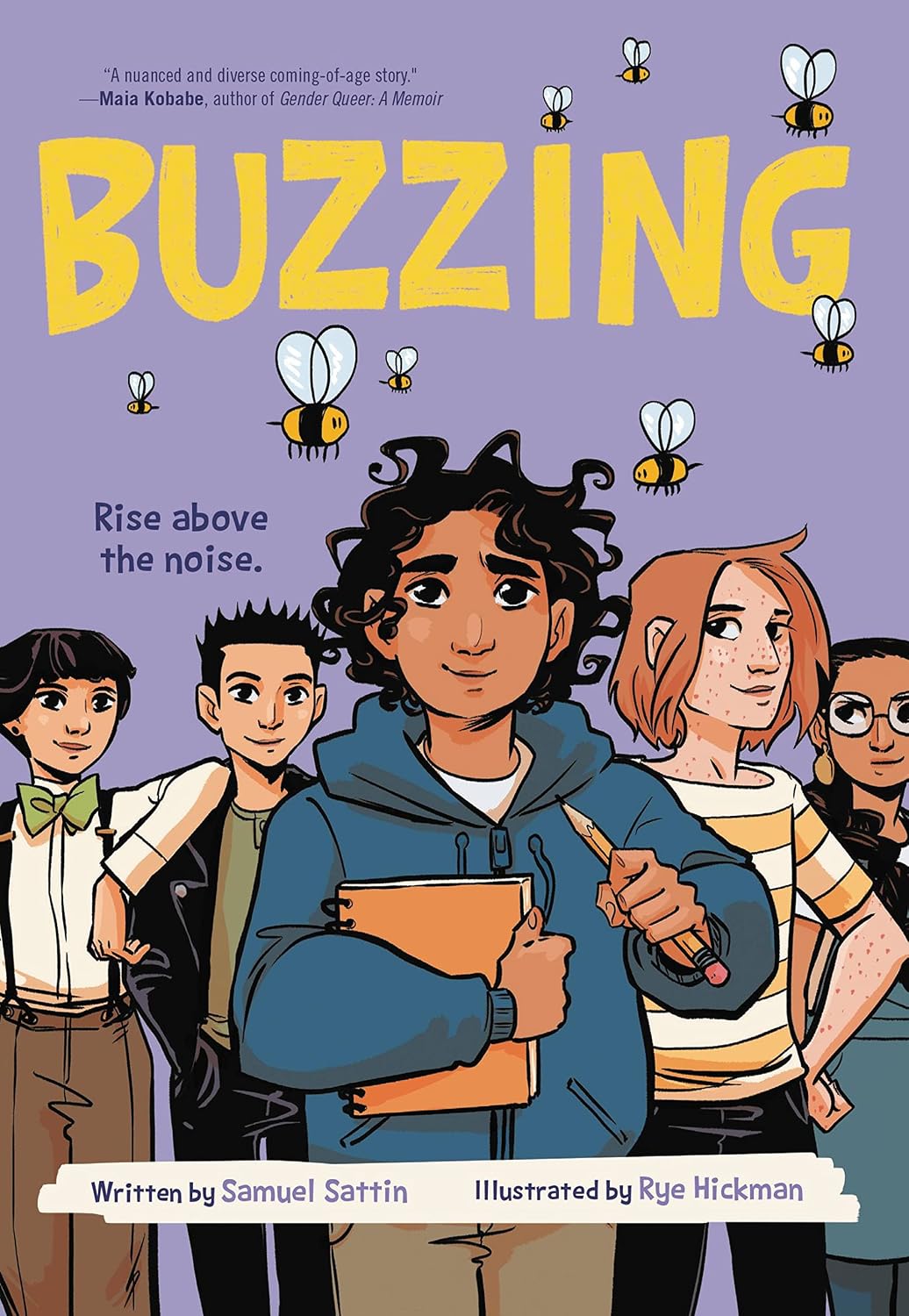
Also Buzzing by Samuel Sattin and Rye Hickman, which is about a teen who has OCD and is struggling to make friends, then ends up meeting a nonbinary friend, getting into playing D&D, finding friendship and community, and being more comfortable in a social setting through imaginative play.
I feel like all those books have some sort of resonance or theme that overlaps with ours.
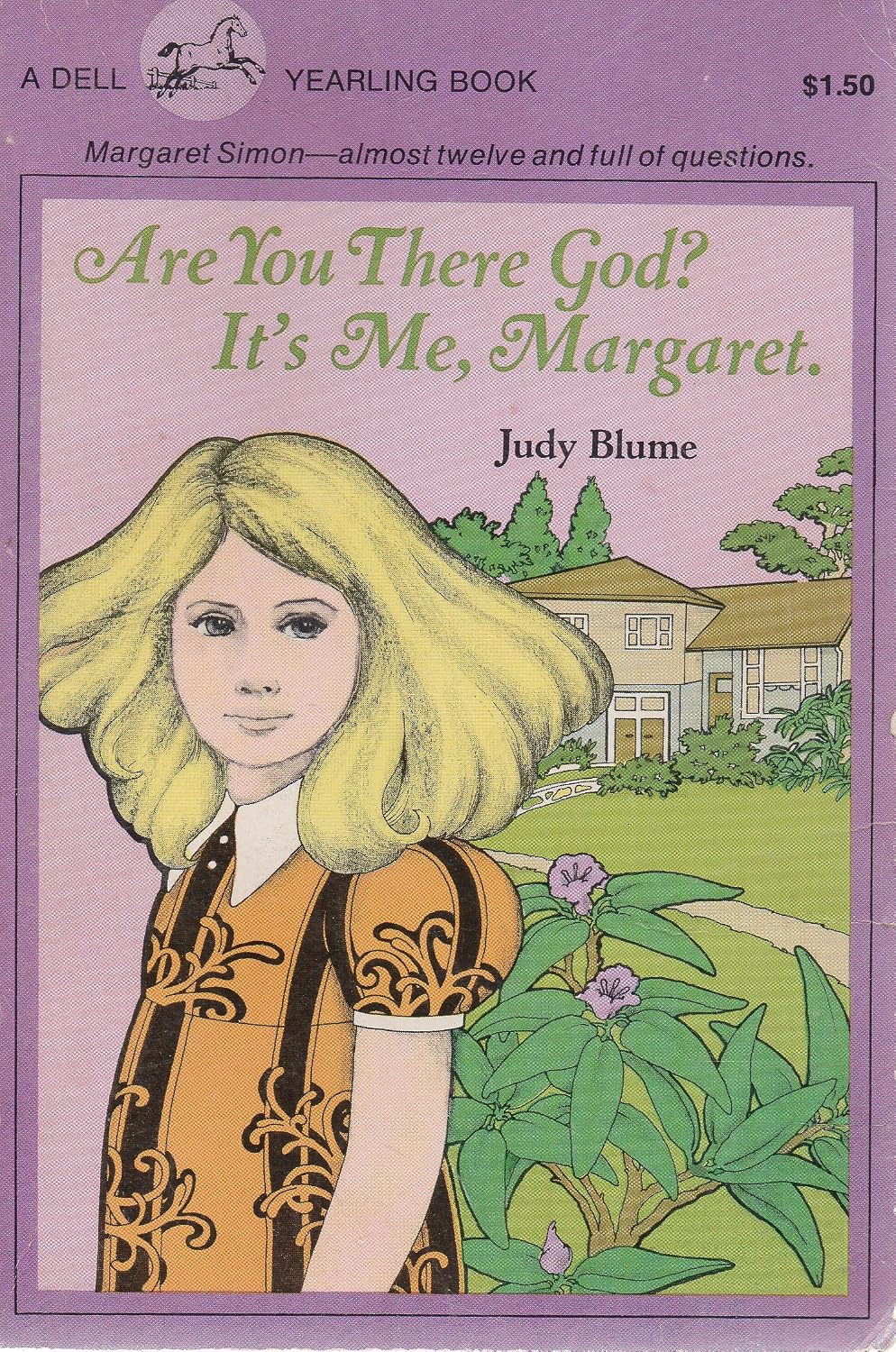
SLS: My idea for a pairing is more like a counterpoint: Once you've read Opting Out, you should read Are You There, God? It's Me, Margaret by Judy Blume. I read that when I was growing up —
MK: Your mom gave it to you!
SLS: My mom gave it to me and was like, “You got your period, so here's this book, maybe you can relate to this.” I was like, “Why did they want their period?!” I didn't relate to it at all.
That pairing could be a way for a kid to start to think about how they feel about their gender: Do you relate to one of these characters more than the other? Why? How does that play into your perception of your gender?
MK: Another point that I could make about Alanna: The First Adventure by Tamora Pierce is that it's the first book I ever read in which a character got their period. I read Alanna close to when I got my period, and Alanna is not jazzed about getting her period. She's worried, she's like, “I didn't ask for this, I didn't want this! You mean this is gonna go on for the rest of my life?”
The advice given by a healer woman to Alanna is quite practical and kind: “If you had sex you could now get pregnant, but in this world we have magical birth control, so I can just give you a necklace. As long as you wear this necklace, you won't become pregnant. Also, bathe every day that you have your period and use clean cloths.”
It wasn't a long scene, but all of the information was accurate and actionable and necessary. It was a character getting their period who felt mixed and reluctant about it, and that’s what I related to.
SLS: To add to your point of reading books and looking for yourself, searching for any crumb of queer representation — I think that's also why both of us are fan fiction people. Because we had to make our own, right?
MK: We had to write our own stories.
Last question. What advice would you each give to young cartoonists?
MK: Make a comic, start small, draw it on cheap paper.
SLS: Be brave.
MK: Finish something.
SLS: Make stuff that you don't have to share with other people, make stuff for you.
MK: But also if you have one or two trusted friends, share it with your besties. Don't start by writing a 300-page fantasy epic. Start by writing a short story, eight to twenty pages, about something you care about. It can be a memoir, it can be total fantasy.
SLS: Read a lot.
MK: Make stuff. Don't get discouraged. Make it quickly, and if you don't like it, make another one.
The post Swati “Lucky” Srikumar and Maia Kobabe’s One Little Trick Could Save Your Life: ‘The book cannot come before our health’ appeared first on The Comics Journal.


 Hello, my name is Jack Sparrow. I'm a 50 year old self-employed Pirate from the Caribbean.
No comments:
Post a Comment