


“To salve the pains of consciousness, some people anesthetize themselves with sunny thoughts. But not everyone can follow their lead, above all not those who sneer at the sun and everything upon which it beats down. Their only respite is in the balm of bleakness.”1 So begins the Sick to Death chapter of Thomas Ligotti’s The Conspiracy Against the Human Race, a collection of essays on pessimism and supernatural horror.
For almost four decades, The Crow comics by James O’Barr and their relatively faithful first film adaptation, directed by Alex Proyas, have been a balm for misfits, pessimists and the bleak at heart.
Serialized in 4 issues by Caliber Comics between February and May 1989, and collected in a trade paperback by Kitchen Sink Press in 1993, The Crow sold over 750,000 copies worldwide in various editions,2 making it one of the great successes of the Black & White boom.
In his brief but scathing takedown, Violence is Good, Says The Crow (TCJ #143,1994) which he gleefully assures readers is ‘not a kill piece,’ critic Ng Suat Tong addresses the franchise’s ubiquity, summarizing the plot for those readers who may have “religiously avoided all contact with The Crow comic or movie.”
Ng rightly identifies the story as a rape revenge narrative, (defined by the film critic Alexandra Heller Nicholas as a narrative “in which a rape is central to the plot, and is punished by either the victim or their agent,”3) and it’s helpful to evaluate the story using that framework.
In this case the victims are Eric and his girlfriend Shelly, accosted by a group of nihilistic thugs while stranded on a deserted street in an alternate-universe Detroit debilitated by gang violence. Interestingly, throughout this ordeal, Eric is remarkably passive, shouting “Get away from her! Leave her alone!” but doing little else to protect either himself or his girlfriend.
Shelly is raped and killed while Eric, dying of a gunshot wound to the head, is visited by a crow and later resurrected as an immortal killing machine with a Pierrot’s makeup and a sexy leather ensemble. He then stalks the urban wastes, dispatching his former attackers one by one, delivering rhyming couplets and headshots with alarming frequency.
Ng’s central thesis is that “The meshing of poetry, misty-eyed painted artwork and violence in The Crow has but one purpose. The glorification and beautification of violence and ‘ugliness.’”
But there’s a major omission in Ng’s review. For some reason, he doesn’t engage at all with the comic’s status as a countercultural phenomenon, by then firmly established. Like his contemporaries Gilbert and Jaime Hernandez, creators of the far more narratively complex Love & Rockets series, James O’Barr was profoundly influenced by punk, goth and darkwave music, and The Crow comics owe much of their popularity to rock fans, who discovered copies at their local record stores.
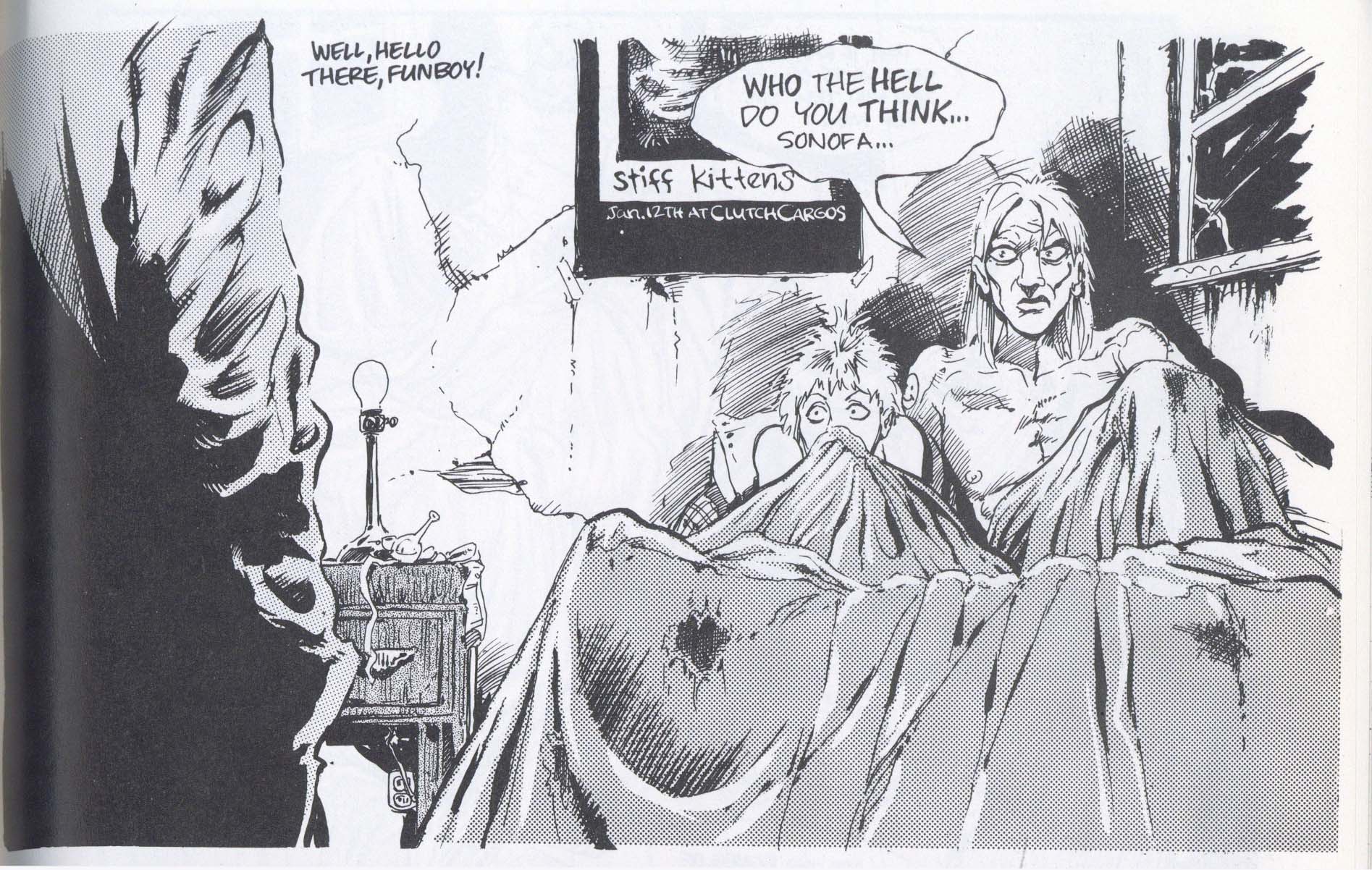
O’Barr has discussed at length the comic’s musical influences, including Bauhaus, The Cure, Iggy Pop and Joy Division, from which he took chapter titles including Atmosphere, Atrocity Exhibition and Shadowplay (a poster for Stiff Kittens, an early iteration of Joy Division, is hidden on a villain’s wall).
The Crow is a goth clown-angry, androgynous and fundamentally other, and not to acknowledge that seems to be missing the point. Leah Fisher, in her 2022 essay An Exploration of Clowning and Gender,4 notes that “The clown is not bound by the rules because they are either too stupid to notice them or choose to disregard them in favour of their own solutions which are born from their own ‘clown logic’.”
‘Clown Logic’ is central to punk subcultures. Tricksters are often androgynous. They exist to flout cultural norms. It may seem juvenile, but for young people trying to establish their identities, especially in small-town America, countercultural icons like Alice Cooper or The Crow served as lifelines and bridges to deeper, more meaningful works.
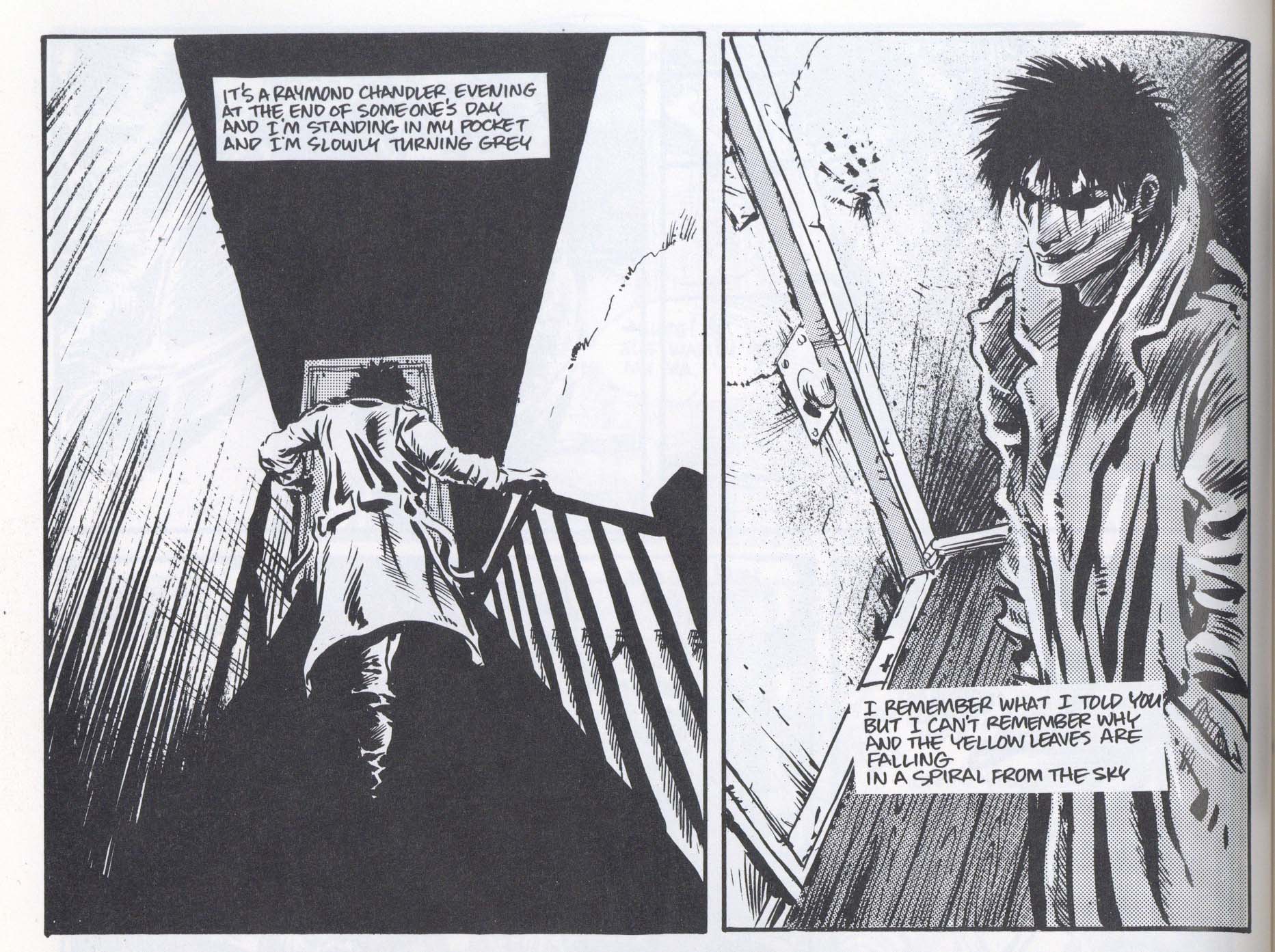
That’s part of what rankles about Ng’s review. He derides O’Barr’s “artistic aspirations,” but where else might a teenager in, say, Little Rock Arkansas in 1993 encounter an excerpt from François Villon, the 15th century French criminal and balladeer who wrote poetry so compelling it got him out of a death sentence?
In a recent installment of Plot Spoiler, his Substack newsletter, author Chuck Palahniuk says that “I almost by accident found success by stuffing Fight Club with rhetorical devices. As beautifully unpacked in the Mark Forsyth book Elements of Eloquence… rhetorical tricks work best in speeches… song lyrics… plays… jokes… sermons. In short, in forms that are meant to be read aloud. Or sung. That’s why you can recall those songs from long, long ago. All the rhetorical qualities built into them — cadence, alliteration, rhythm, paradox — make them so quotable.”5
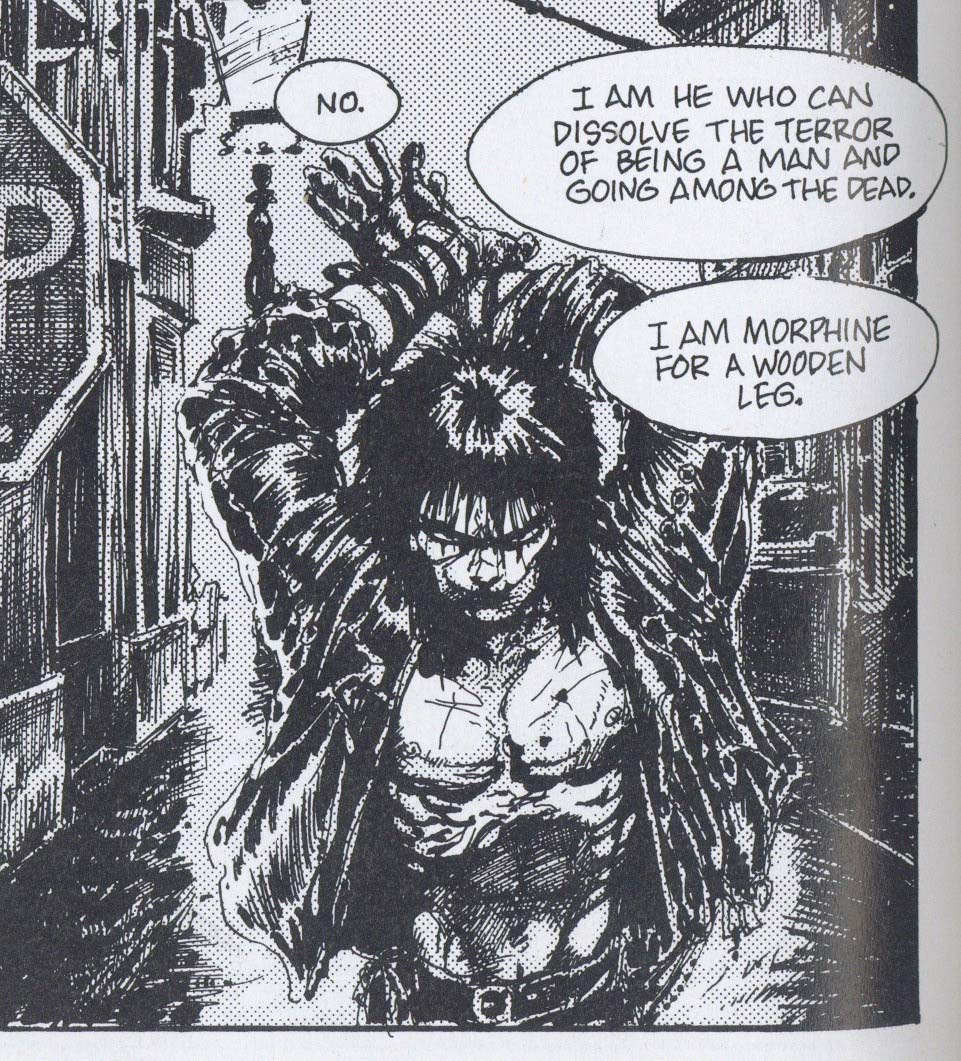
O’Barr, of the same generation, uses these devices to great effect, most notably catachresis, nonsense metaphors like “I am morphine for a wooden leg,” and “I am the boiling man come to break the bones of your sins, meat puppet.” Like Palahniuk, O’Barr deals in the visceral. You may not like it, but it is undeniably entertaining.
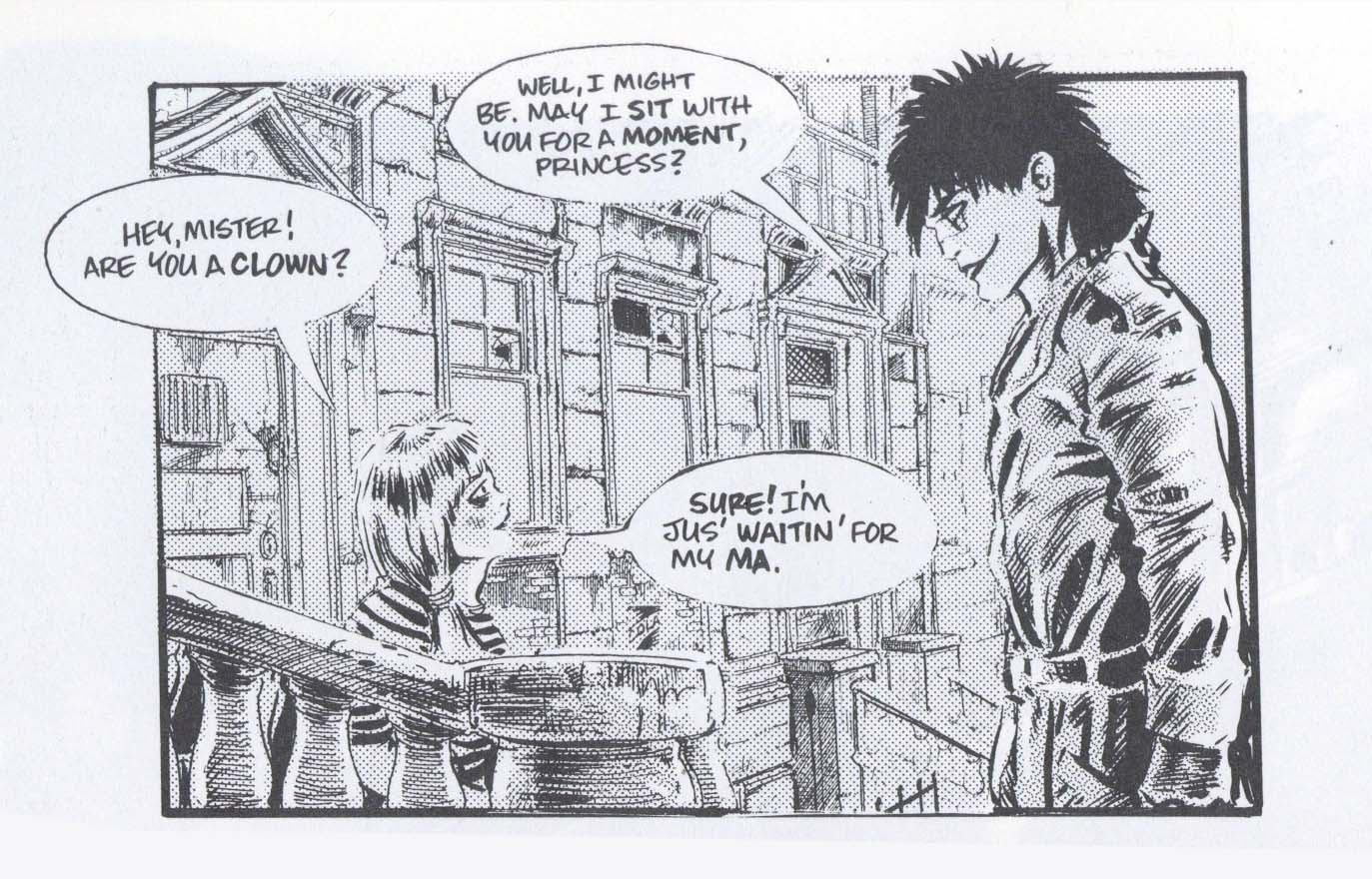
My first encounter with the Crow franchise was the film, released in 1994. A depressed, gender-nonconforming tween, I saw some of myself in the wisecracking, skateboarding Sarah (Sherri in the comic), a junkie’s daughter whom Eric Draven, the titular Crow, takes under his wing.
The central thesis of The Crow is not that violence is good. It's that life is suffering, and we have no control over when and how that suffering manifests. That’s made clear, in the comic, in Eric’s final exchange with Sherri. After dispatching the criminals who killed his girlfriend (spoiler alert), Eric plans to reunite with Shelly in the afterlife, leaving his charges, Sherri and a female cat named Gabriel, behind.
“I’m sorry for everything that has happened to you,” he tells the girl, “...and for everything that’s going to happen to you. Please don’t be afraid, Sherri. Someday, all things will be fair…”
This is not the ranting of a man who relishes bloodshed. It’s a pep talk for every sensitive soul who feels tormented by the absurdity of existence.
The Crow’s biggest sticking point is its treatment of race, a topic Ng avoids altogether. In an essay on rape revenge narratives in film, critic Michaela Keating states that “Filmmakers rely on the audience’s preconceived notions that a “victim” is an idealized identity, coded with the traits of a damsel in distress- weak, fair (often meaning literal whiteness), and pure or virginal- and thus someone blameless and worthy of saving or avenging…”
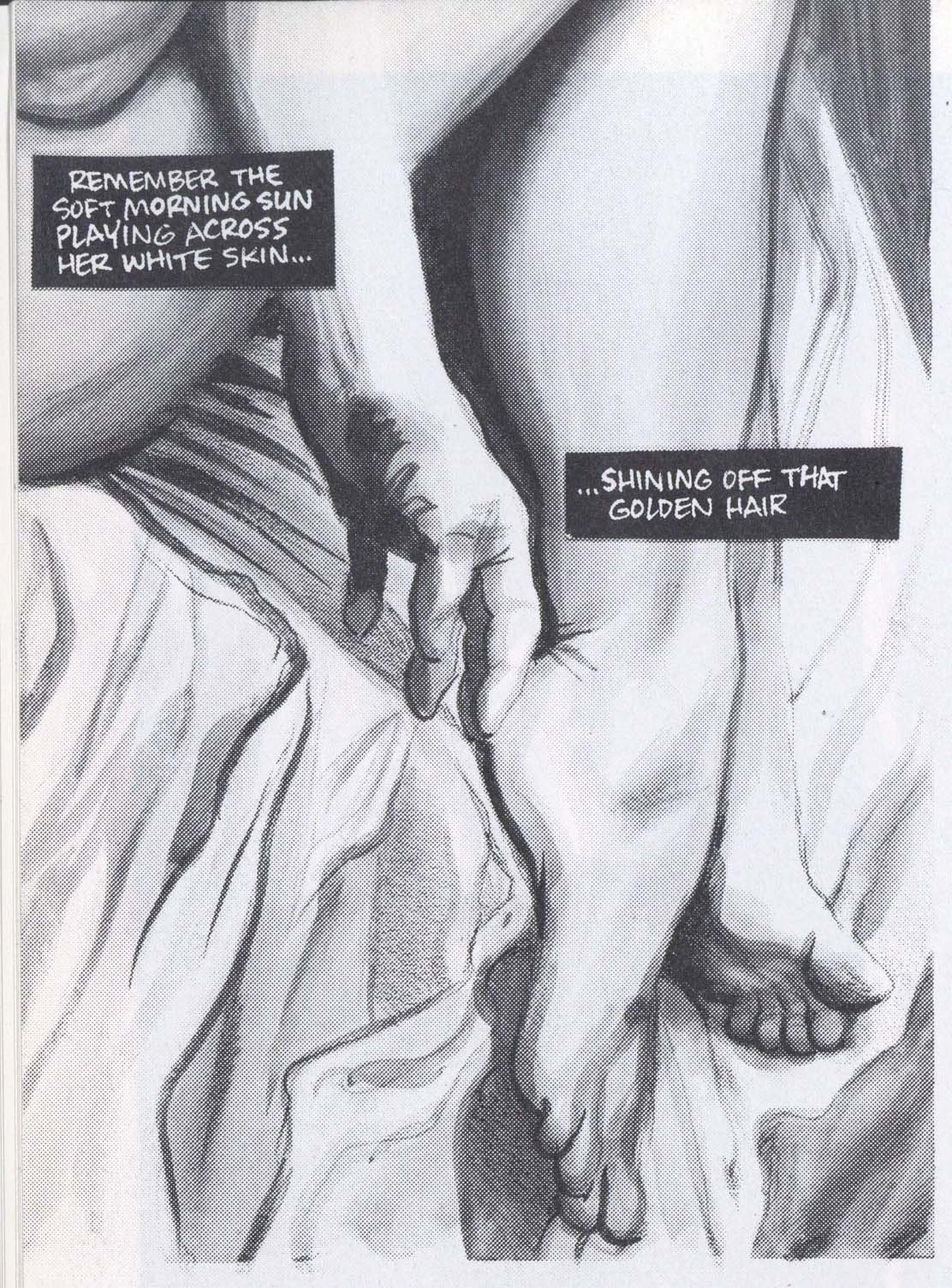
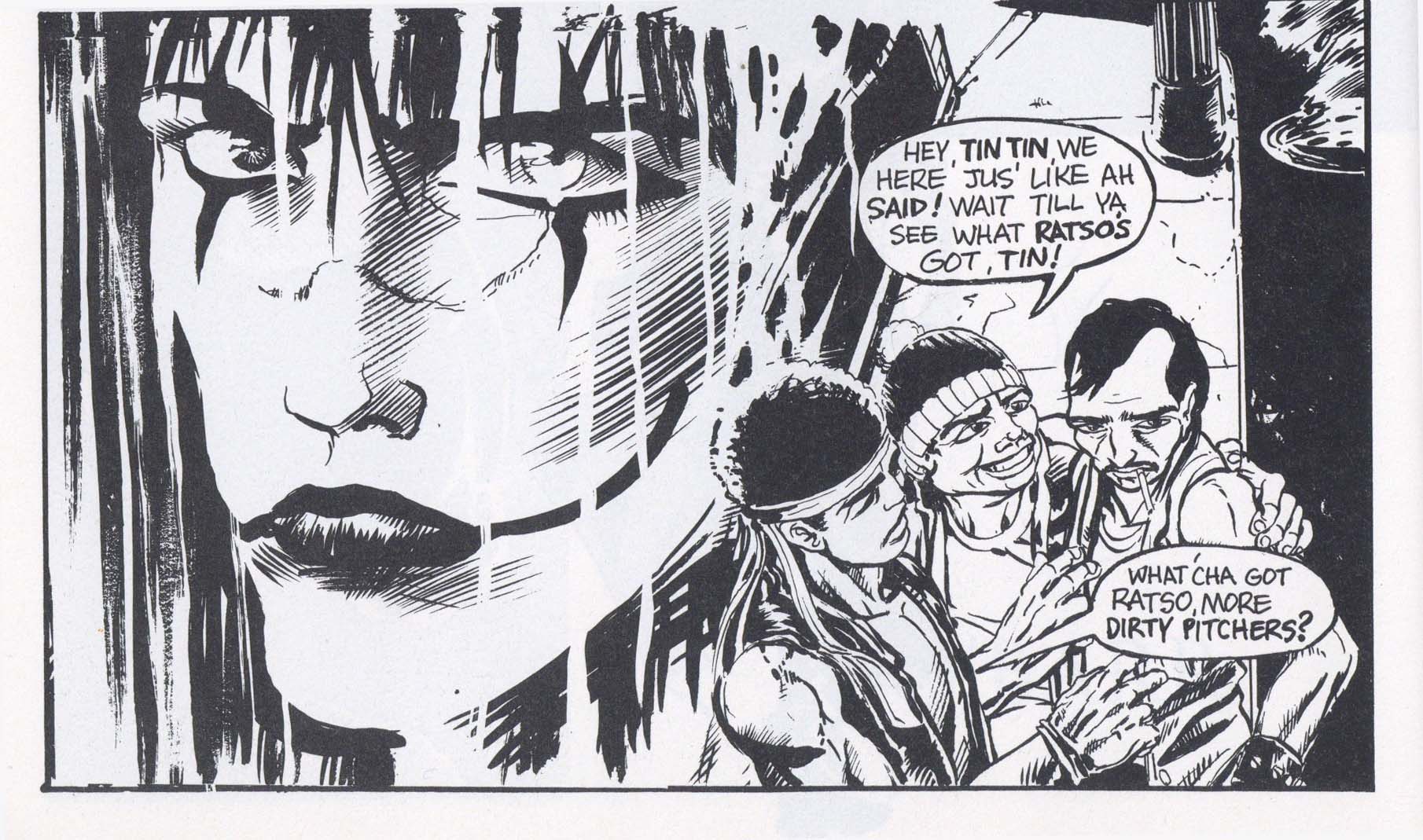
Shelly, in the comics, is so white she glows. By contrast, the “thugs” are a group of multi-ethnic louts-the character Tin Tin, described as having “a soul so twisted with evil it could only have drifted off of a Bosch painting” looks suspiciously like Luke Cage, Power Man. The Crow is an articulate aesthete, whereas the antagonists use broken grammar, contractions and slang, timeless “bad guy” shorthand.
Fans of the comic acknowledge its shortcomings. Critic Eric Worley, in his 2024 Substack essay The Crow: When Fantasy Manages Trauma,6 addresses the narrative slackness:
“There’s no mounting suspense as Eric hunts his prey, no agonising setbacks followed by glorious release. Of all Eric’s paranormal gifts – his speed, his ferocity, his grace – the one we feel most keenly is his ability to soak up bullets and tolerate agony.”
Much has been made of O’Barr’s personal relationship to the material. Raised in foster homes, the author lost his first love to a drunk driver, a cataclysm that profoundly impacted his life and work. But whether or not you go into the comic knowing the author’s biographical info, The Crow displays a sincerity, in both the art and writing that was uncool in the irony-poisoned 90’s.
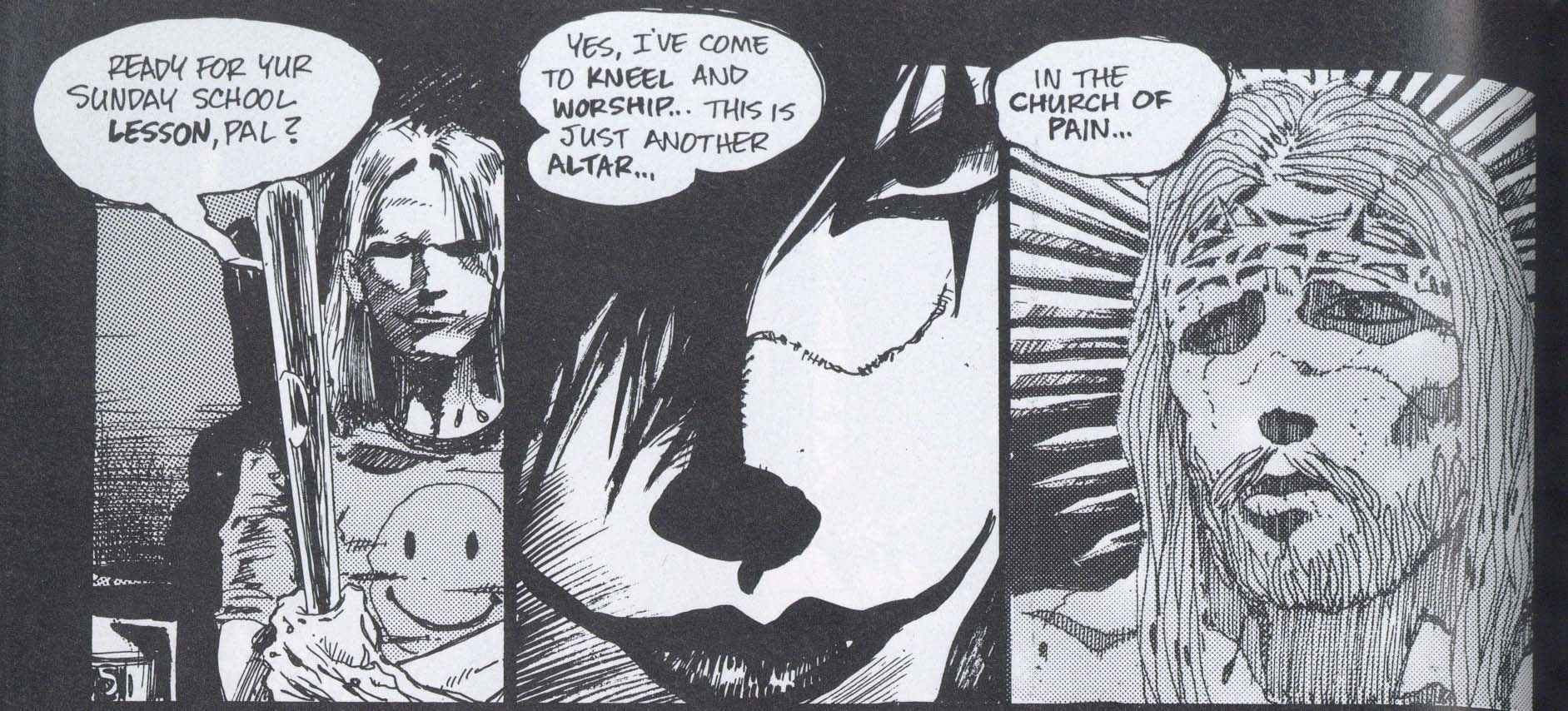
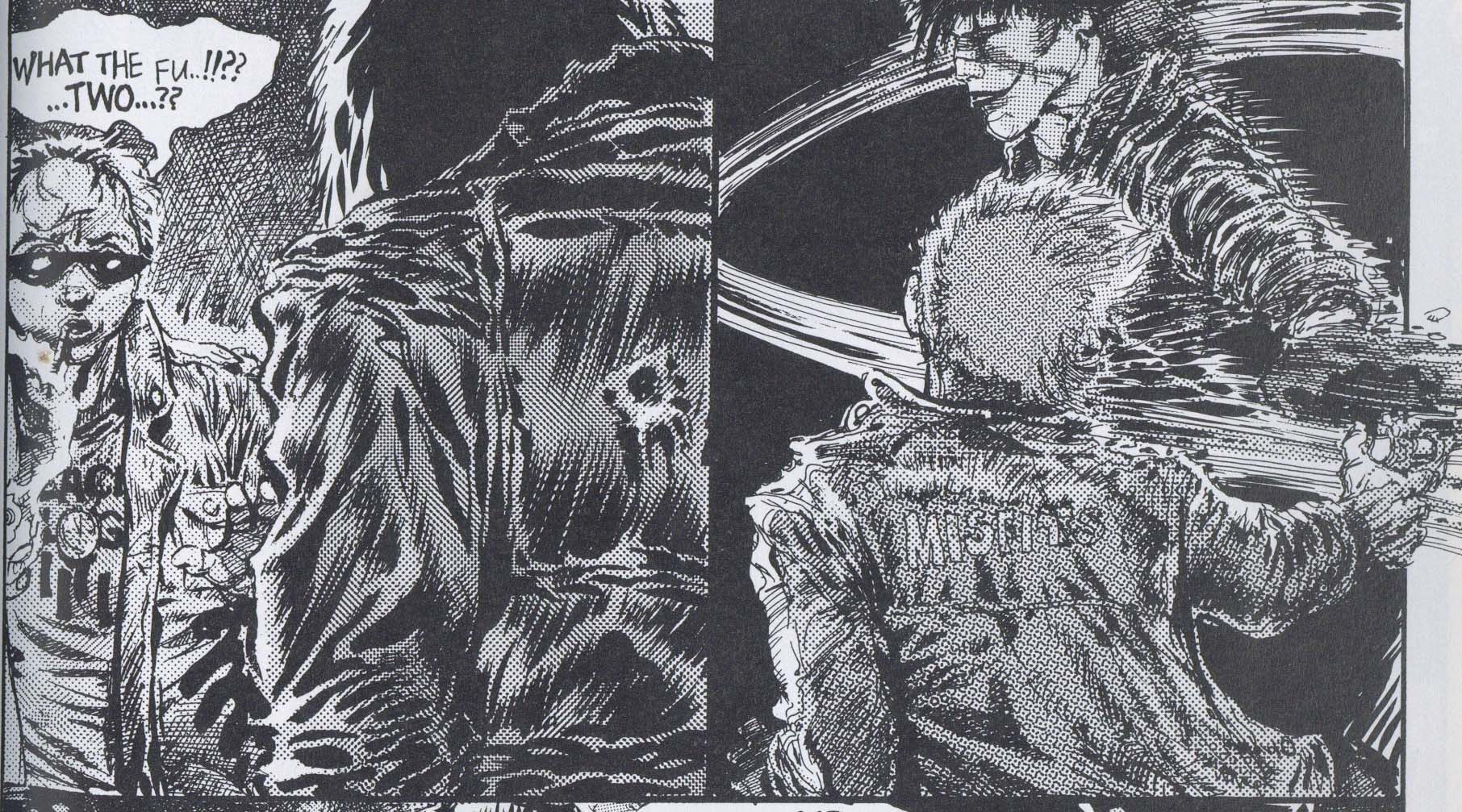
That sincerity is part of its lasting charm. From the nod to Will Eisner on the first page of Book One, to the design of Ugly Patrick, the thug with the Black Flag T-shirt and Misfits back patch, to officer Albrect, whose name one can only assume is a reference to Albrecht Dürer, the comic is chock full of small, hidden idiosyncrasies that invite repeated reading.
Hindsight may be 20/20. By the time I came of age, indie comics were on their way to acceptance in both the fine art and literary worlds, and writers like Alan Moore, Warren Ellis and Garth Ennis had brought respectability to mainstream superhero narratives.
In 1994, when Ng penned his review, there was more of an imperative to identify and separate the works with literary merit from those full of empty calories, so to speak.
According to Ng, “The Crow has artistic aspirations akin to Jack Kirby’s Demon”-a gorgeous, incoherent mess meant to capitalize on the 1970’s occult fad with heavy metal chapter titles like Bright Bath of Fire and The Reincarnators. I’d say The Crow has more in common with titles like The Haunt of Fear and Tales from the Crypt-Bill Gaines and Al Feldstein were also working-class guys with literary pretensions, and The Crow has the simple morality of those early EC comics- the perpetrators get their just desserts and the aggrieved party smiles in the afterlife.
Ng throws out a laundry list of films-Once Upon a Time in America, The Godfather, Fist of the North Star, Seven Samurai, Monty Python and the Holy Grail, Sin City, No Mercy-from which O’Barr cribbed panel compositions and narrative elements.
I recently attended a screening of Shank, Chicago cartoonist Jim Terry’s zero-budget love letter to exploitation and martial arts films of the 1980’s and 90’s-which ends with a surprisingly poignant meditation on masculinity, flipping the traditional revenge narrative on its head. In a Q & A after the screening, Terry, who has drawn Crow spin-offs for IDW including The Crow: Skinning the Wolves (2012), a three-issue miniseries written by O’Barr, discussed the lasting appeal of low budget horror. For a young artist, a cult film can be more edifying than a canonical great work. When you see something with the seams exposed, it’s easier to imagine yourself in the director’s chair.
What the original Crow comics lack in sophistication, they make up for in raw power. If, after reading them, you come away thinking “I could do better,” awesome. Go out and try.
In the words of Thomas Ligotti, “...we are destined to a fool’s fate that deserves to be mocked. And since no one else is around to do the mocking, we will take on the job.”7
The post R&R: Clown Logic: The Crow Nears Forty appeared first on The Comics Journal.


 Hello, my name is Jack Sparrow. I'm a 50 year old self-employed Pirate from the Caribbean.
No comments:
Post a Comment