

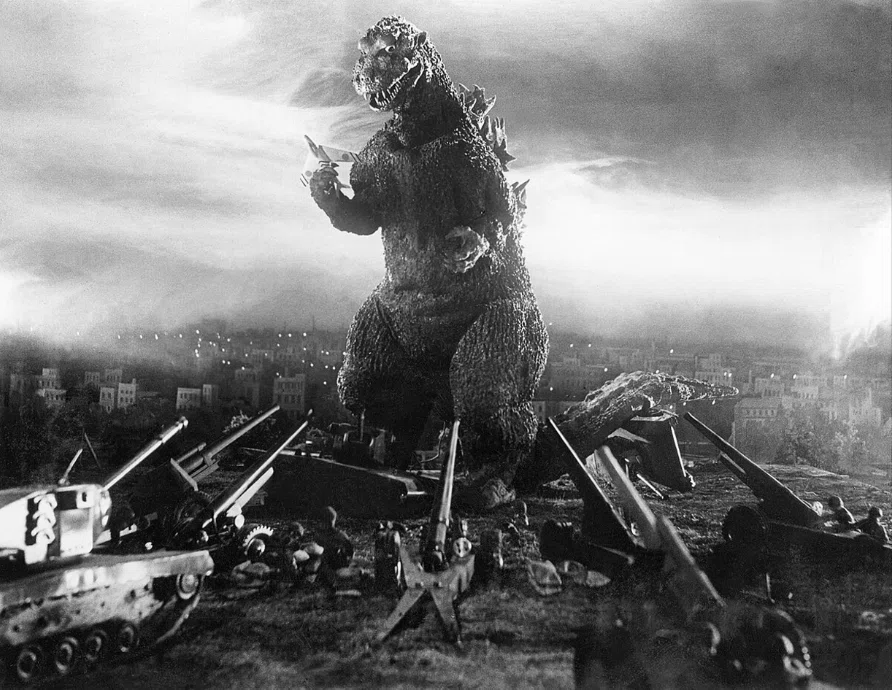
Beginning with Godzilla (1954), the Japanese film industry has repeatedly returned, at steady intervals, to the spectacle of giant monsters laying waste to the archipelago. From the outset, the kaiju film offered more than destruction as entertainment. It provided a framework for confronting a deeply political and unresolved question: how should Japan respond to an external attack when its constitution formally renounces the right to maintain military force? By displacing this dilemma onto the terrain of monster science fiction, Japanese filmmakers could sustain both emotional distance and mass appeal. The result was a genre that made an otherwise incendiary contradiction legible — and even pleasurable. It eventually reached audiences abroad as well.
Postwar Germany pursued a different narrative settlement. Through an unrelenting condemnation of Hitler and the Nazi leadership — an approach some critics have argued had the side effect of concentrating moral culpability in a small circle — it established a story in which the ultimate agents of evil were the Führer and his inner cadre. Ordinary Germans could then be cast as victims caught within a criminal regime.1 Japan, by contrast, adopted a logic that defined war itself as an absolute evil, effectively severing the postwar state from its imperial predecessor. The new Constitution permanently renounced military force, and its preamble declared that Japan had been reborn through the suffering of war.2
In practice, it was never absolute. U.S. forces were permitted to remain on Japanese soil even after the U.S.-led occupation of Japan ended in 1952, with Japan underwriting much of the cost, effectively outsourcing its security to American power. Meanwhile, a force bearing the curiously euphemistic name “Self-Defense Forces” was established as a kind of auxiliary presence. Founded in the same year Godzilla premiered, the SDF has endured under a highly elastic constitutional interpretation. Because it is framed as purely defensive, it is generally considered constitutional. Under this highly strained interpretation of the Constitution of Japan, it is the SDF — not the U.S. forces stationed in Japan — that has long taken center stage in kaiju films. A well-known Japanese comedian once joked that the SDF had made a singular contribution to the global success of Japanese cinema — and, by extension, to its foreign currency earnings — by serving as a perpetually overmatched foil, thereby amplifying the terror and grandeur of the monsters themselves.
After the monsters: confronting power directly
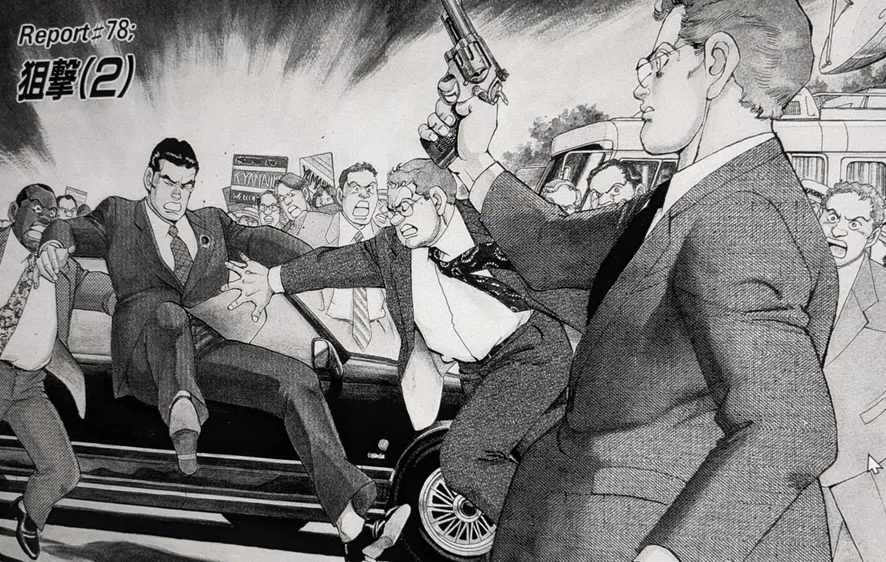
When the maritime military manga The Silent Service began running in 1988 in Morning, a weekly manga magazine aimed at adult male readers, it ignited a wave of controversy and popular enthusiasm in Japan comparable to the fervor surrounding Tom Clancy’s The Hunt for Red October in the United States. Unlike the oblique allegories of Godzilla, Mothra, or King Ghidorah, it dispensed with metaphor altogether. The series centered on Japan’s first nuclear submarine — covertly developed within the framework of the U.S.–Japan security alliance — which is set to join the U.S. Seventh Fleet on its maiden voyage, only for its charismatic captain and fiercely loyal crew to mutiny and defect, throwing both Tokyo and Washington into turmoil.
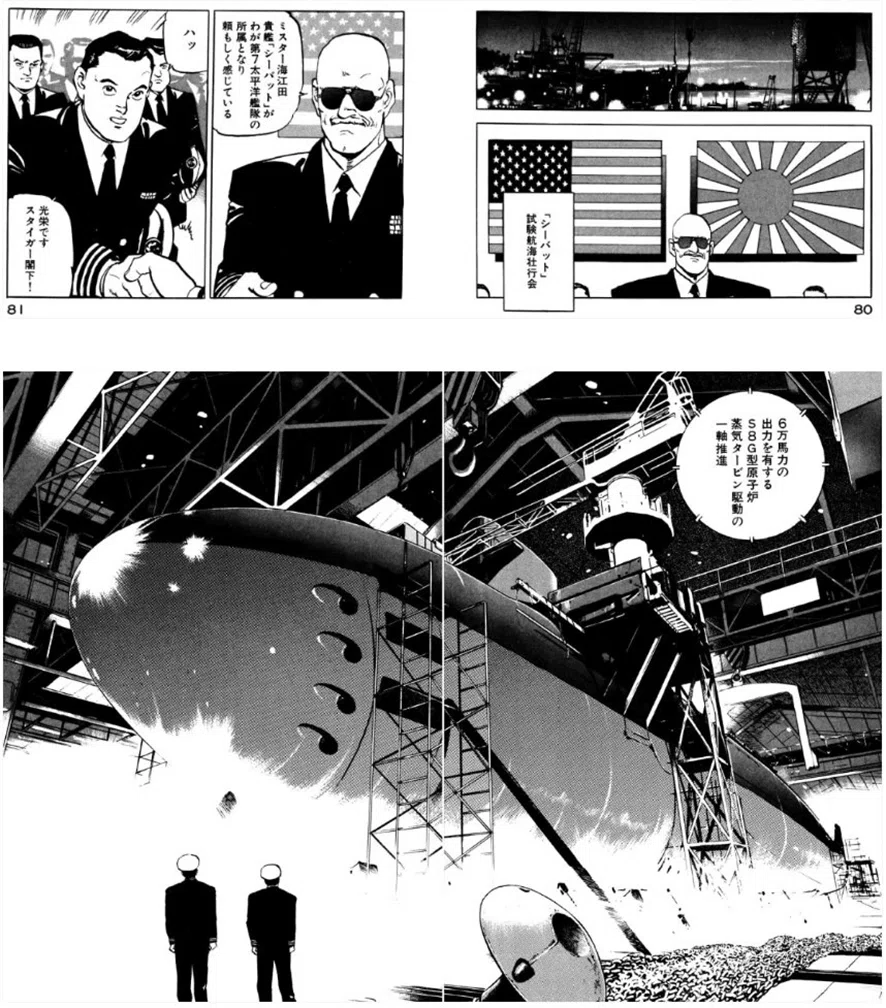
By directly confronting what had long been a political taboo, the manga became so visible that it was cited in actual Diet debates. It was even rumored that the U.S. Embassy in Tokyo quietly translated each installment as it appeared, treating it as a barometer of Japanese public sentiment.
Pragmatism, principle, and critique: Japan’s political divides
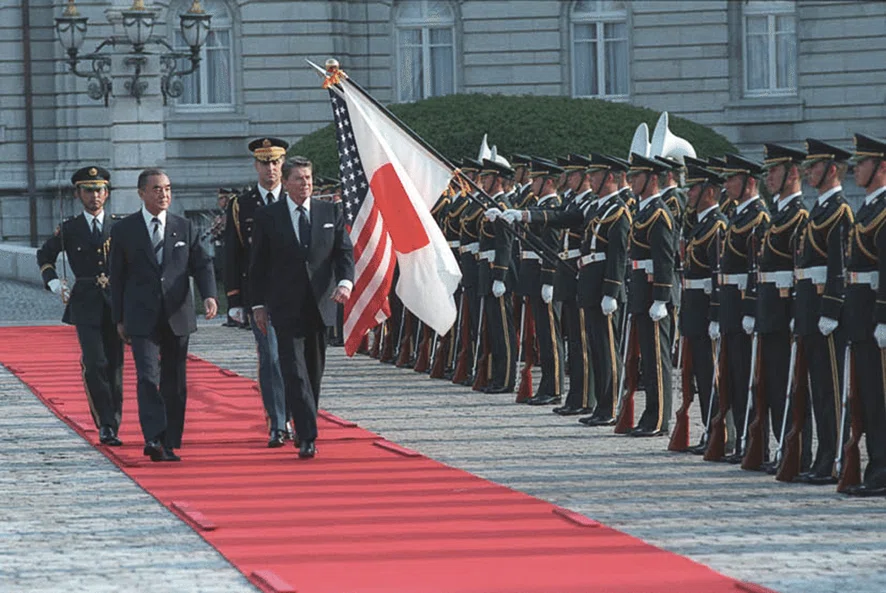
The real world, however, has grown more chaotic. Japan’s political landscape is often described as opaque. Once we recognize that three broad camps are competing for influence, the underlying stakes become much clearer. The first camp is broadly pro-American. After Japan’s total defeat in World War II, the country was placed squarely within Western — more precisely, American — influence. U.S. military bases remain scattered across Japan today. They are neither an occupying force nor equipped with the manpower or firepower necessary to plausibly reoccupy the country. Rather, they function as forward positions that enable the United States to respond rapidly to military contingencies in East Asia. Even so, while most Japanese have not openly rejected this arrangement, many have not regarded it as especially desirable. The hope that Japan might one day achieve full independence without reliance on U.S. forces has never entirely disappeared. Camp One’s response to this quiet but persistent aspiration is pragmatic. That day may come, but until then, maintaining a pro-American stance remains the rational choice. In practical terms, this camp constitutes the ruling establishment.
The second camp rejects the notion that being “pro-American” must entail remaining an American client state. Instead, it advocates a foreign policy rooted in principle, one that seeks equal and balanced relationships with all countries. When Japan’s neighbors apply overt pressure or issue hostile statements, this camp tends to argue that responsibility lies with Japan itself — either because of its current policies or because of historical grievances that, in its view, have yet to be adequately addressed.
The third camp spans the ideological spectrum, from the far left such as the Japanese Communist Party to more pragmatic, interest-driven actors. Despite their ideological differences, they share a common understanding, rarely stated outright, that they are unlikely ever to assume the burdens of governance. Paradoxically, this expectation of remaining outside power has allowed them to operate with a freedom unavailable to ruling parties. Unencumbered by the compromises of office, they function instead as relentless critics of the political establishment.
Politics in fiction: The double tension of The Silent Service
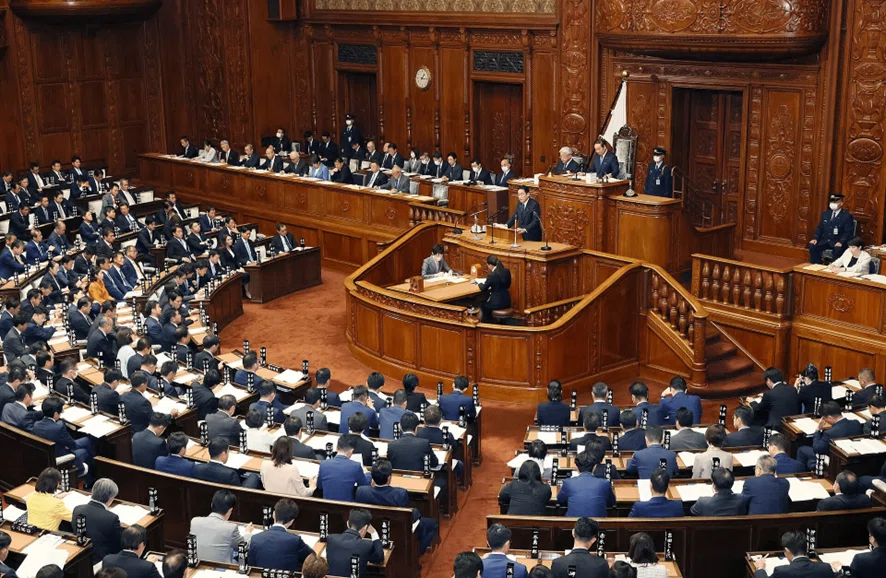
Postwar Japanese politics has long been shaped by the tense standoff among these three broad camps, whose relative influence shifts with changes in the international order. In The Silent Service, these positions ultimately crystallize into four political parties, forcing the electorate — thinly disguised as the magazine’s readers themselves — to make a choice.
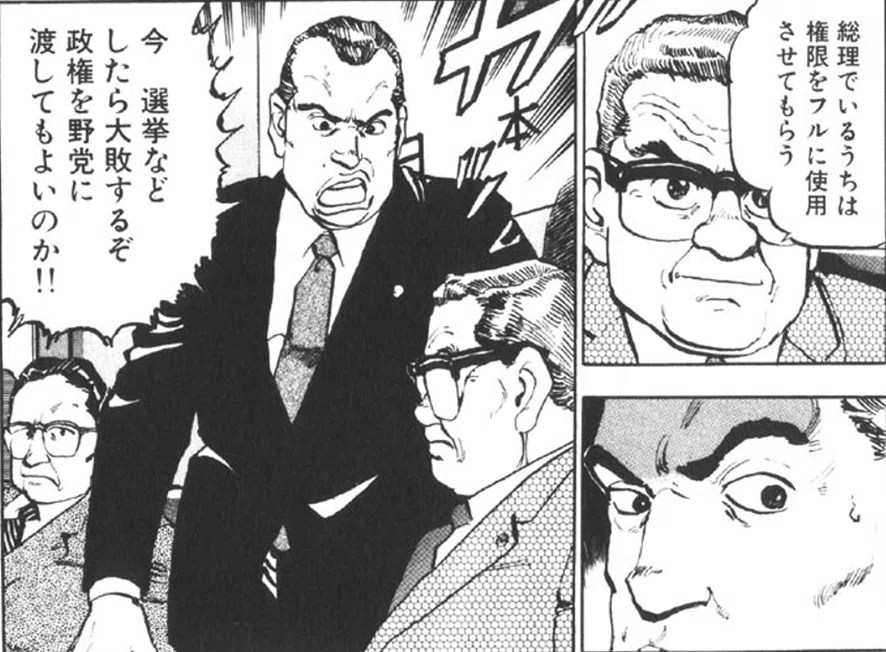
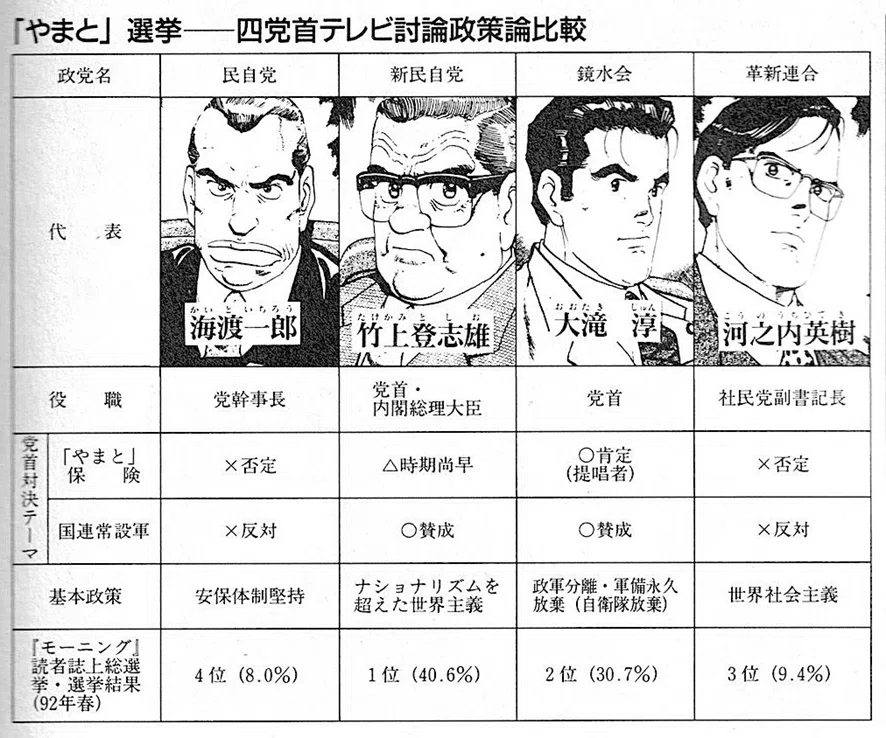
The general election portrayed in the series remains unstable until its final moments; only after a succession of abrupt reversals does a new trajectory for Japan’s future begin to emerge. At precisely this juncture, as the newly appointed prime minister departs for Washington to confer with the U.S. president, the nuclear submarine Yamato — entirely alone — faces the full might of the U.S. Atlantic Fleet, some fifty vessels, off the coast of New York.
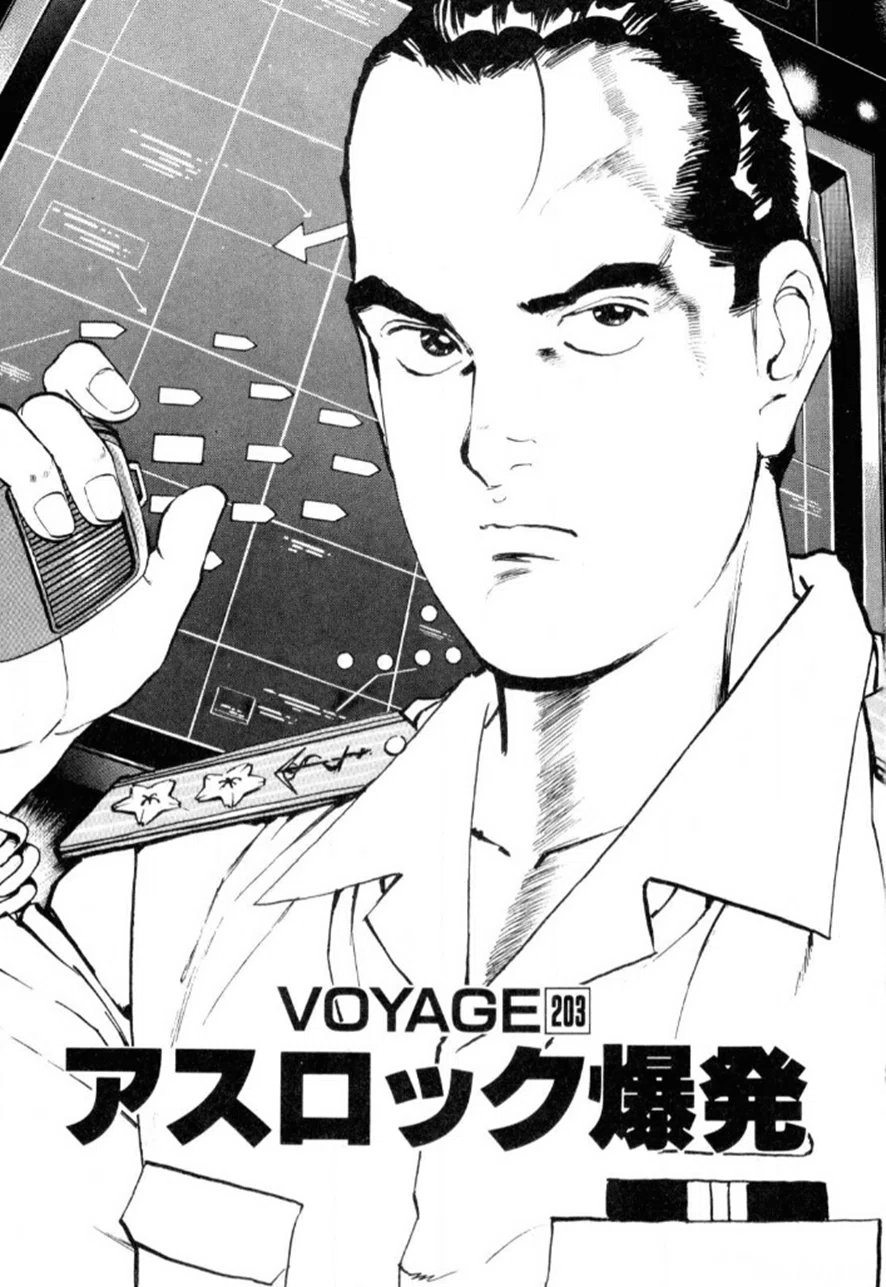
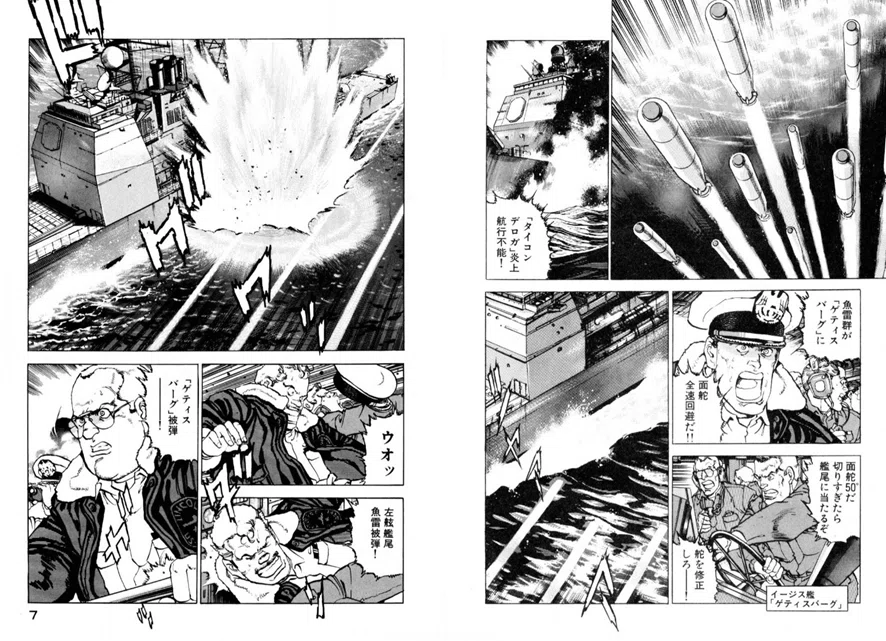
Readers of Weekly Morning experienced this climax through three overlapping strains of suspense in 1992–93. One was narrative and strategic: how Captain Kaieda and his crew could possibly prevail against such an overwhelming imbalance of power. Another was meta-textual: how the author, supported by his network of advisers, could plausibly resolve this highly audacious hypothetical conflict without collapsing into implausibility. A third was historical and political: how the narrative would maintain coherence with real-world developments in Japan — most notably the internal split within the Liberal Democratic Party, which had governed for thirty-eight years and was held responsible for failing to respond to the dramatic global shifts following the end of the Cold War and the Gulf War, as well as for the collapse of Japan’s economic surge.
Regarding the third strain, real-world political developments in Japan unfolded almost a half-step behind the governmental changes depicted in the narrative. Week after week, The Silent Service delivered an unusual triple tension. The suspense of fiction was entwined with the pressure of contemporary reality, both within and beyond Japan.
Manga fiction Meets the constraints of reality
How, then, did the authorial team manage to fold a narrative canvas that had grown almost too vast to contain itself? Although it is unlikely that an English-language edition of The Silent Service will ever see full publication outside Japan, detailed spoilers can be avoided here. Suffice it to say, in a scene attended even by the President of the United States, the captain of the Yamato ascends the podium of the United Nations General Assembly as another de facto head of Japan. From this moment, the story pivots toward the audacious notion that the world itself might begin moving — on a global scale — toward adopting Japan’s constitutional renunciation of war.
The logic is peculiar but revealing. Just as successive American presidents, despite recognizing its impracticality, have found themselves unable to enact meaningful gun control, Japan’s postwar governments have been unable to abandon Article 9, which they have clung to as the core of national identity since World War II. If Japan cannot relinquish this clause, the contradiction between idealism and reality would be resolved by having every other nation adopt it instead.
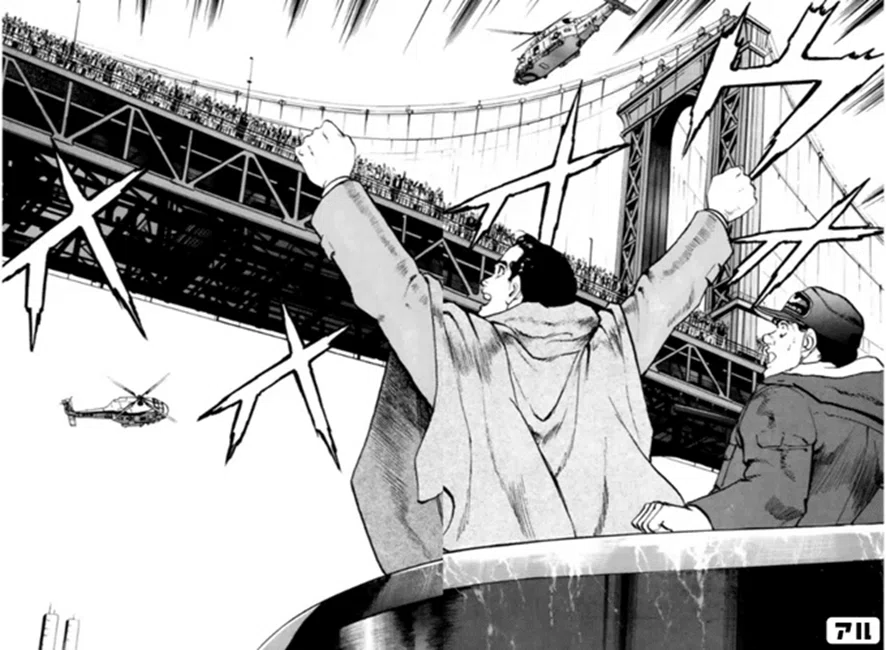
This somewhat evasive resolution drew more than a few wry laughs from Japanese manga readers at the time. By the series’ conclusion in 1996, Japan was already mired in prolonged economic stagnation, and earlier near-future fantasies of the country becoming a superpower rivaling the United States had devolved into bitter jokes. Moreover, real-world Japanese politics had drifted not toward decisive resolution, but toward a muddled coalition that could be described as neither fully Camp One nor Camp Two. Seen in this light, the ending reads as a last-ditch compromise — awkward, perhaps, but necessary to preserve, just barely, the alignment between the story’s political logic and the realities it sought to reflect.
From the page to the East China Sea
The influence of The Silent Service is unmistakable in many twenty-first-century Japanese kaiju films, including Godzilla Minus One (2023), which won an Academy Award for visual effects. It bears clear traces of the impact. In the world of manga as well, several works can be read as successors to The Silent Service. Among them, the most ambitious — and the one that attracted explicit attention even from figures close to the Japanese military (which continues to insist on the formal designation “Maritime Self-Defense Force” rather than “navy”), as well as from certain bureaucrats and legislators — is a series of military-political fiction manga by the same author.
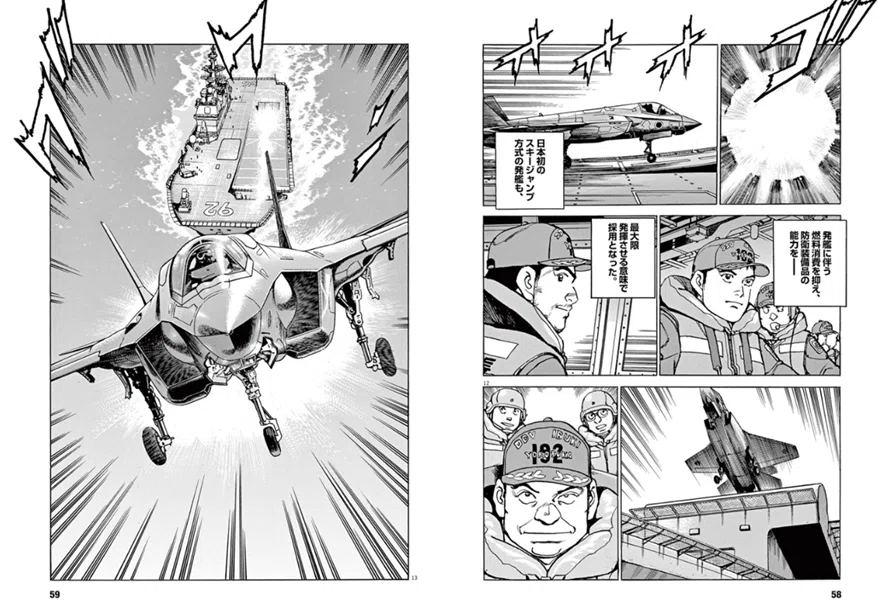
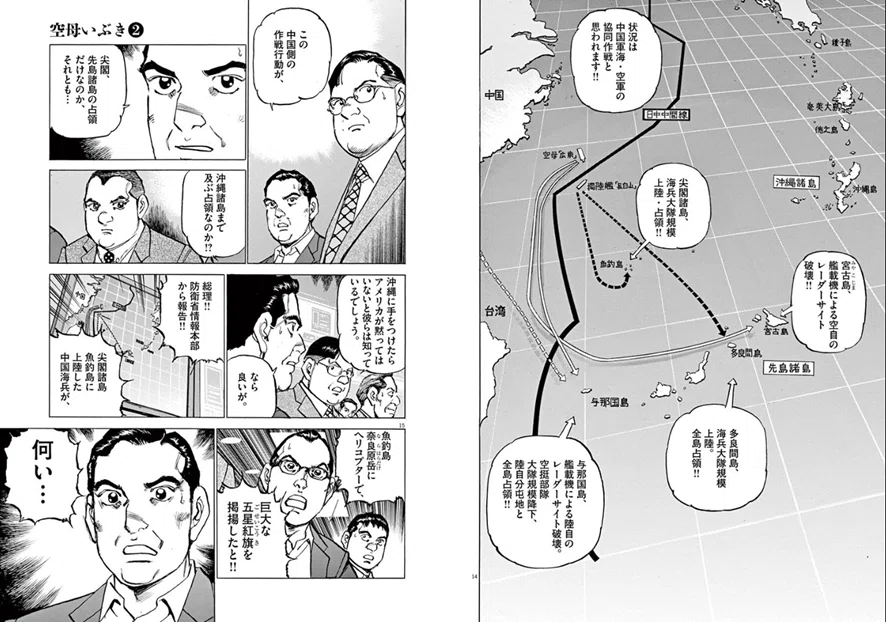
That series is Aircraft Carrier Ibuki (2014–2019). Its premise draws directly on a historically sensitive conjunction: almost simultaneously with the People’s Republic of China’s long-sought admission to the United Nations in 1971 and its recognition as China’s sole legitimate representative, Beijing began asserting that the Senkaku Islands in the East China Sea — following a UN survey suggesting substantial gas reserves in the surrounding waters — were Chinese, not Japanese territory. In the manga, this claim escalates into the deployment of a Chinese naval task force in the present day, met by a Japanese flotilla centered on the Maritime Self-Defense Force’s first light aircraft carrier, Ibuki.
Déjà Vu in Manga and the Real World
How does this fictional scenario resonate with real-world events? In October 2025, Beijing grew visibly tense when a politician widely regarded as hawkish within Japan’s ruling party was elected prime minister. Matters escalated further when the newly installed prime minister declared during Diet debates that Japan’s Self-Defense Forces would not stand idly by in the event of a Chinese military attack on Taiwan — a territory whose geopolitical position, together with the Japanese archipelago, effectively constrains the People’s Liberation Army Navy’s access to the Pacific. In response, the PRC hardened its posture, culminating at the end of the year in large-scale military exercises widely interpreted as intended to intimidate Japan.3
Meanwhile, in the fictional universe of Aircraft Carrier Ibuki, the narrative does not end with a victory over the Chinese task force. Having survived that confrontation, the Ibuki faces another major power in the Arctic Ocean. When a research vessel registered in Argentina is struck by a torpedo and MSDF ships move in to conduct rescue operations, tensions with the Russian Navy escalate into a direct armed clash. This series, which began serialization at the end of 2019, proved as popular in Japan as its predecessor and concluded just last year, in late 2025.
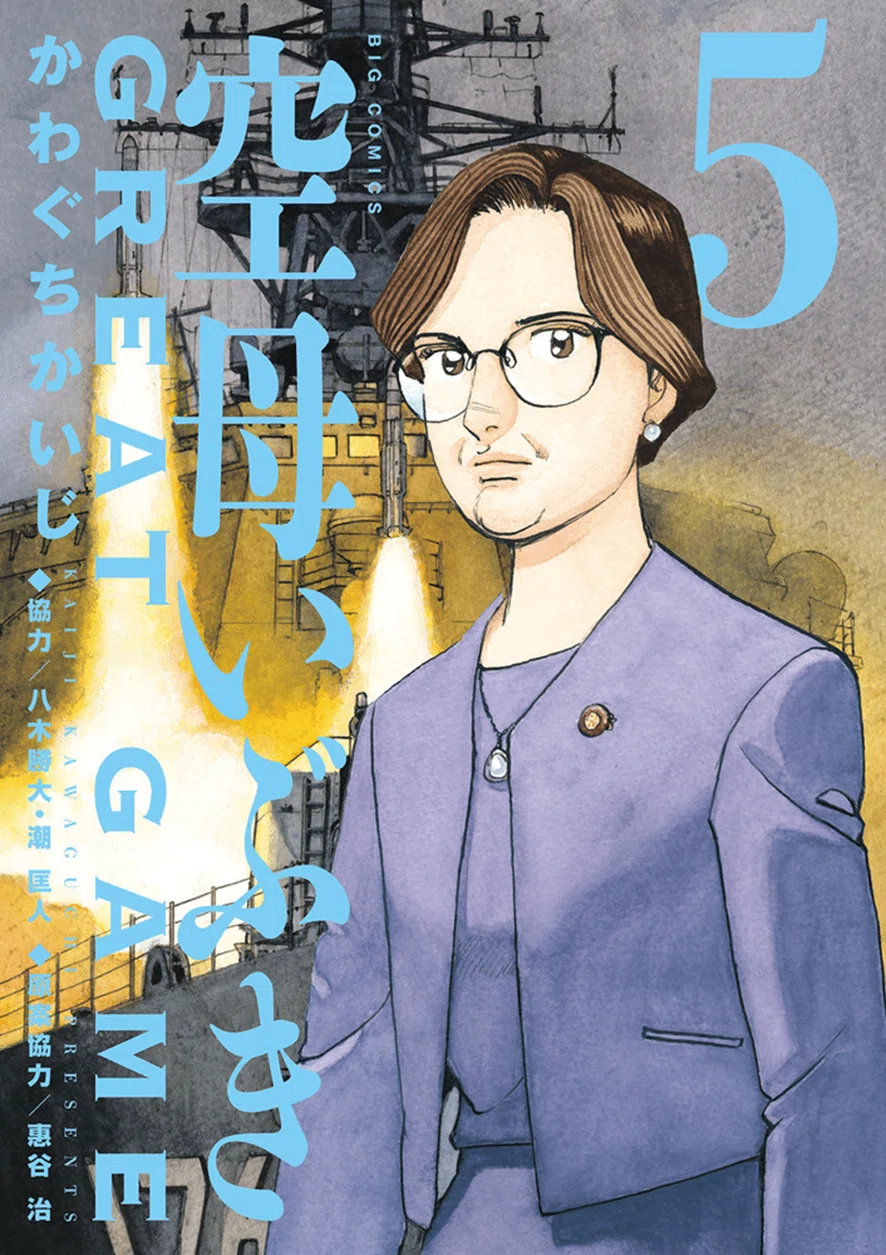
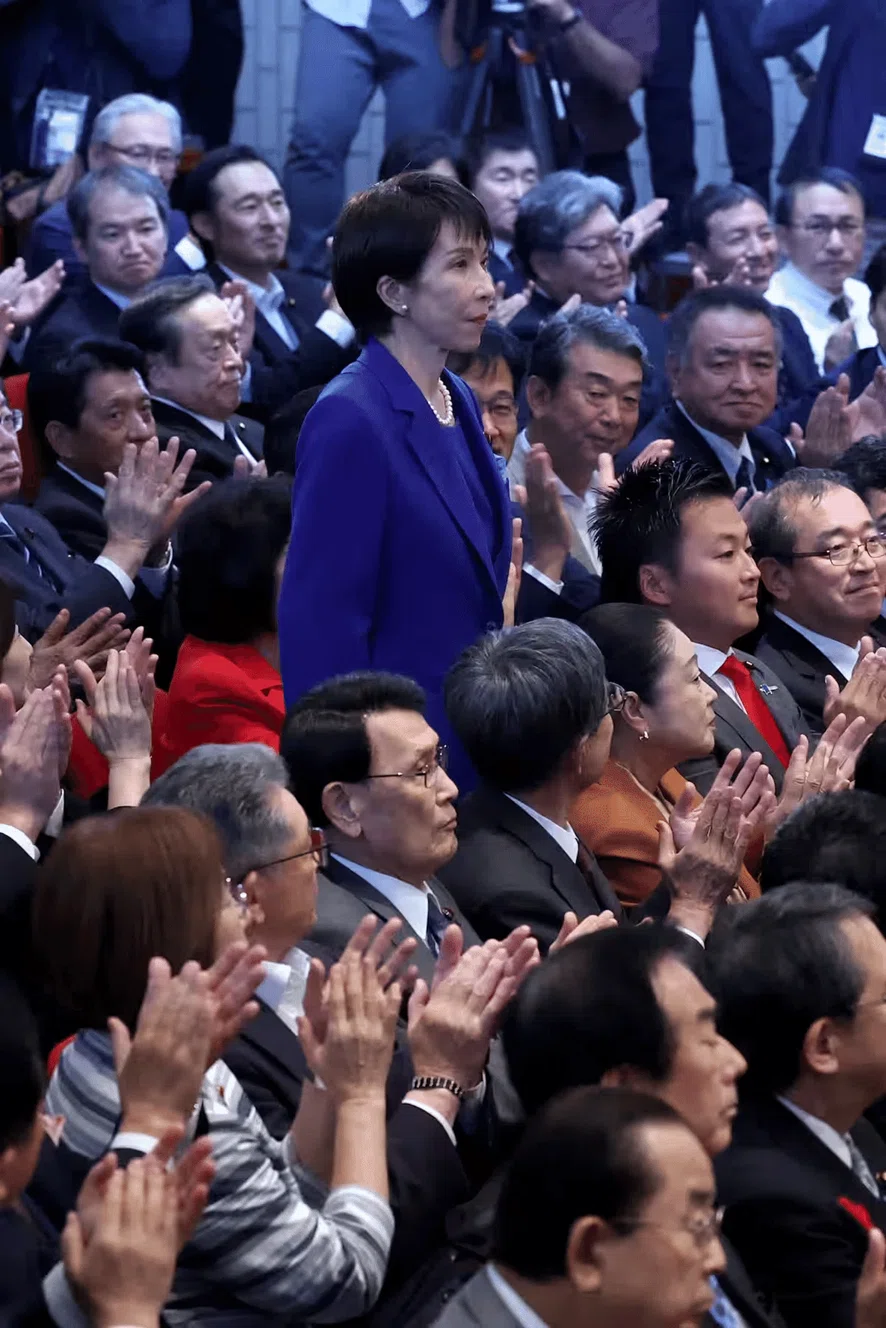
Readers following the story over its long run may have experienced a persistent sense of déjà vu as real-world events unfolded. The new series features a female prime minister who leads both the Ibuki task force and the nation itself. In reality, the hawkish ruling-party politician whose election in October 2025 provoked Beijing’s hardening stance was also a woman. Japan’s first female prime minister appeared at the time wearing a blue suit — the same color famously associated with Margaret Thatcher. International media quickly framed Sanae Takaichi, who had admired Thatcher in her youth and had even met her, as a “second Thatcher” for Japan. Many manga readers, however, responded less to that comparison than to the uncanny feeling that the fictional prime minister of Ibuki had somehow stepped off the page and into reality.
The house dissolved: Her political gamble
Takaichi enjoys strong popular support as Japan’s first female national leader, which is precisely why her decision this past January shocked so many observers. Less than two months after forming her cabinet, she dissolved the House of Representatives (Shūgi-in) —the lower chamber of Japan’s bicameral legislature, though in Japan a two-thirds majority in this chamber can override a rejection by the upper house, the House of Councillors (sangi-in) — in the event of conflicting votes, and called a snap general election. Budget deliberations were postponed. In Japan, this was an extraordinary move.
Prime ministers dissolve the lower house for one of four reasons:
- When the cabinet believes the moment has come to ask the people directly for judgment;
- When the prime minister seeks confirmation of support for their leadership;
- When legislative deadlock makes governance impossible; or
- When a major policy shift or defining issue demands electoral legitimacy.
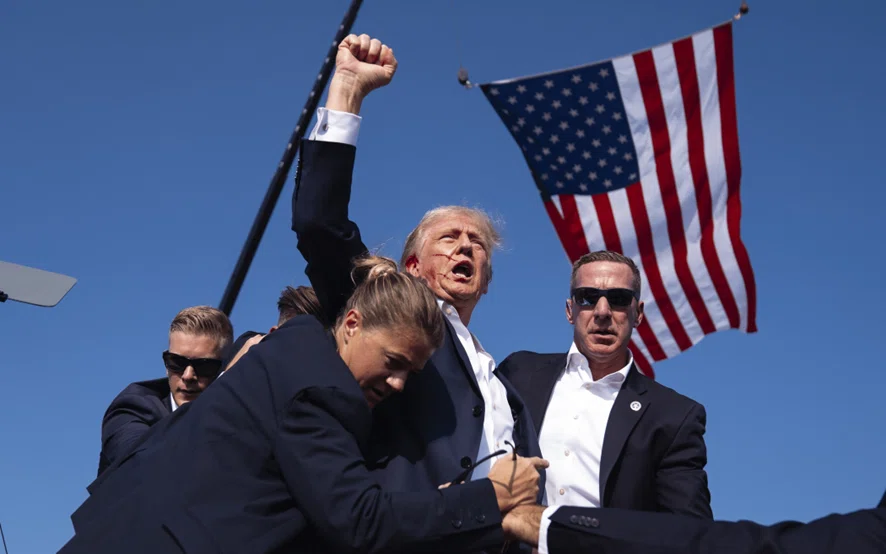
This election clearly falls into the second category. Why, then, did Takaichi treat confirmation of her leadership as an urgent priority? Japanese media offered many theories, almost all rooted in domestic politics. Far less attention, however, was paid to the international context. Specifically, the accelerating consequences of President Donald Trump’s “America First” doctrine.
China, Taiwan, and Japan’s strategic squeeze
To understand this, one must begin with China. The People’s Republic of China has been steadily increasing pressure on the military balance in East Asia, particularly around Taiwan. What we call "China" has historically been less a single entity than a composite one — a patchwork of powers rather than a single, continuous civilization. Even the Great Qing dynasty, dramatized in The Last Emperor (1987), originated in Manchuria and ruled for less than three centuries before being expelled under the slogan, "Expel the Manchus back to Manchuria!"
Even the giant panda, now globally treated as a quintessential symbol of China, became “Chinese” only as the PRC absorbed peripheral regions into its territorial and symbolic core. Taiwan, in this sense, represents far more than a disputed island. Its absorption would serve as the final proof of the PRC’s claim to be the sole legitimate successor to "China" itself. This explains why Taiwan’s government has grown increasingly alarmed by recent Chinese naval activity.4
Japan has reason to be alarmed as well. Until now, Japan and Taiwan — backed by the U.S. Navy — have effectively controlled the waters between them, limiting the PRC navy’s ability to project power beyond the East China Sea. Should Taiwan fall under Chinese military control, that barrier would vanish. China would gain a direct channel into the Pacific, leaving Japan strategically squeezed from both sides.5
Takaichi’s snap election under Washington’s shadow
It was hardly a coincidence that Takaichi was selected as prime minister just ahead of Trump’s visits to Malaysia, Japan, and South Korea in October 2025. Party leaders surely concluded that a weakened predecessor, having lost seats in both houses, would never earn Trump’s respect. Japan’s first female prime minister may have intrigued him, but when the two appeared together at a podium in Tokyo, Trump never once said her name. Most likely, he simply hadn’t remembered it.
Then came the real shock.
On January 3, 2026, President Trump abruptly ordered an invasion of Venezuela and the arrest of its president, and once again declared his intention to bring Greenland under U.S. sovereignty — expressing a willingness to consider even military measures to assert control. For years, “America First” had been a slogan. Now it became concrete policy: the consolidation of America’s periphery as a defensive shield. Whether intentional or not, the message to its allies — including Japan and Taiwan — was unmistakable: handle your own security.
Europe’s American allies, meanwhile, had long been navigating a delicate balance. Nervous over the ongoing war in Ukraine, yet wary of China’s growing influence and the encroachment on their Southeast Asian interests, they had maintained a cautious, militarily aligned stance alongside the United States. Trump’s declaration regarding Greenland, however, made concrete America’s — or rather his — prioritization of national defense, forcing these allies to reconsider their policies toward East Asia. A pivot toward Beijing became inevitable.
That alarmed East Asian countries, particularly Japan. In a Washington administration where personal interest so easily translates into policy, Trump’s indifference toward Takaichi — much like his openly stated lack of interest when her predecessor resigned — amounted to a direct threat to Japan’s security. This is a president willing to abandon international treaties by executive order. From a legal standpoint, even the U.S.–Japan Security Treaty is not untouchable.
If Japan was to remain visible in Trump’s strategic field of vision, Takaichi’s government had to appear stable, durable, and electorally unassailable. On balance, that was what drove her to call this sudden election. Her White House visit, planned for March 2026, had long been scheduled, yet her official status as a state guest was announced only at the very end of the previous month — merely a day before Japanese media even began forecasting a landslide victory. Several days ahead of the election, Trump publicly expressed hope for her victory on Twitter. It was blatant interference in another country’s domestic politics, but from Takaichi’s perspective, it was proof that her gamble had worked.
I am sincerely grateful to President Donald J. Trump for his warm words.
I look forward to visiting the White House this spring and to continuing our work together to further strengthen the Japan–U.S. Alliance.
Our Alliance and friendship with the United States of America are… pic.twitter.com/W0pZSvohvx— 高市早苗 (@takaichi_sanae) February 9, 2026
Political tides and the anxiety of manga creators
The focus of this essay begins here. Even before it became clear that Takaichi’s Liberal Democratic Party would secure — setting aside the wartime “special general election” — the largest share of seats in Japan’s constitutional history, a wave of unease spread across Twitter. Some manga artists posted anxious reactions to the projected outcome; among them was even a daughter of the late Osamu Tezuka (1928-1989). There are no comprehensive statistics, but many Japanese manga creators and scriptwriters, regardless of formal political affiliation, appear temperamentally aligned with Camp Two.
This disposition has historical roots. In the immediate aftermath of World War II, comic books originally created for U.S. troops found their way into the hands of Japanese readers, who were starved for visual entertainment. These imports catalyzed the transformation of children’s manga. Gradually, Japanese comics began to incorporate themes of sex, death, and violence — often obliquely, but unmistakably. Predictably, this provoked social backlash. Debates emerged over the possibility of administrative censorship. Yet memories remained fresh of the state-imposed censorship of children’s books and magazines in the prewar period — a policy later criticized for having abetted Japan’s slide into fascism. That historical reckoning helped stall renewed efforts at formal manga censorship. In his autobiography, Tezuka devoted an entire chapter to the episode, describing it as one of the defining crises of his early career.
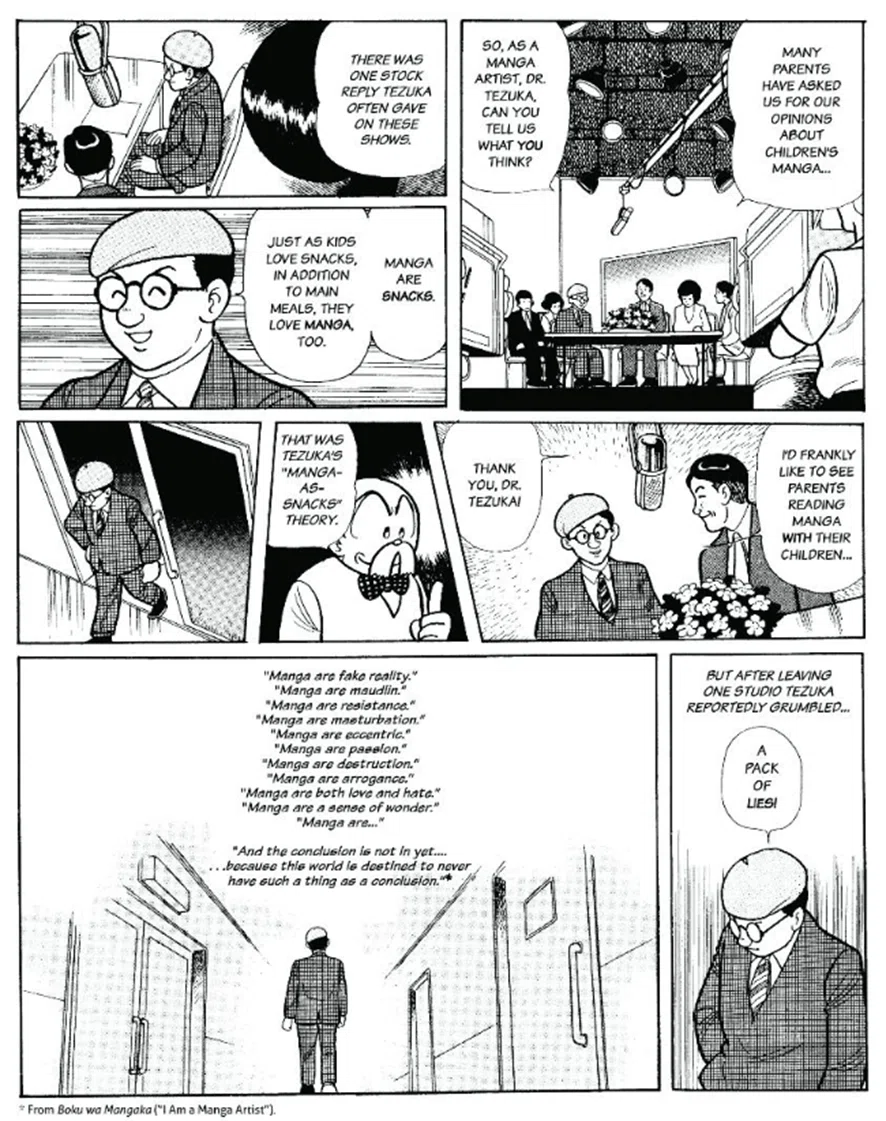
For anyone even casually familiar with Japanese manga history, it is hardly surprising that campaigns demanding tighter regulation have resurfaced roughly every fifteen years. The most recent major episode occurred in 2015, when a UN-affiliated body conducting a survey on child abuse in Japan issued a report, and the following year, asserted that certain manga works, however fictional, depicted the sexual exploitation of minors. Presented at a press conference in Tokyo on October 26, 2015, the UN special rapporteur’s preliminary findings on child sexual exploitation in Japan included comments on certain manga works, prompting discussion and debate within media and advocacy circles.
The anxiety was far from abstract. Tokyo had already been confirmed as the host of the 2020 Summer Olympics, and the metropolitan administration was moving to remove pornographic magazines entirely from convenience stores in anticipation of an influx of foreign visitors. Had the UN report been used as a pretext to extend such measures to manga periodicals, the consequences — both commercial and creative — would have been severe.
Article 9 and manga’s moral compass
As Japanese comics evolved — especially children’s manga, which gradually ceased treating sex, death, and violence as taboo while expanding its readership from children to adolescents and young adults — the magazine market fragmented and diversified along demographic lines over several decades. In justifying the increasingly explicit treatment of such themes, creators frequently invoked antiwar sentiment and bioethics as a moral framework. To put it somewhat cynically, no matter how brutal or sexually charged a manga might become, if its final chapter resolved the narrative into an appeal for pacifism and respect for life, the preceding excesses could be retrospectively absolved. For roughly 70 years, Japanese manga artists relied on this narrative maneuver as a kind of aesthetic indemnity.
Ironically, the ultimate guarantor of that indemnity was Article 9 of the current Constitution — the clause renouncing war “forever.” Drafted under American occupation and quietly presented to the Japanese government via the occupation authorities, the constitution simultaneously offered postwar Japan a consoling fantasy of rebirth as a peaceful nation — healing the humiliation of defeat and war crimes — and served Washington’s strategic objective of foreclosing Japanese rearmament.6 It was at once a therapeutic myth and geopolitical instrument.
Subsequently, however, a new war erupted on the Chinese mainland between two warlord factions: one long supported by the United States and its allies, the other backed by the Soviet Union. The U.S.-aligned faction was pushed onto the island of Taiwan, while the Soviet-backed faction seized Beijing. Confronted with the need to rethink its East Asian strategy, the White House began to actively encourage Japan’s rearmament through Tokyo’s cabinet. This, in turn, prompted the founding of the Self-Defense Forces.7
Article 9, once a symbol of Japan’s pacifist rebirth, had become an outdated document that constrained the country. Yet because constitutional revision requires not only a two-thirds majority in both houses of the Diet but also a simple majority in a national referendum — a provision once inserted with Washington’s acquiescence — amending it remained extremely difficult. As a result, Article 9 has endured as a kind of ideological anchor for Camp Two. Nearly eighty years after the Constitution’s promulgation, not a single amendment has been appended.
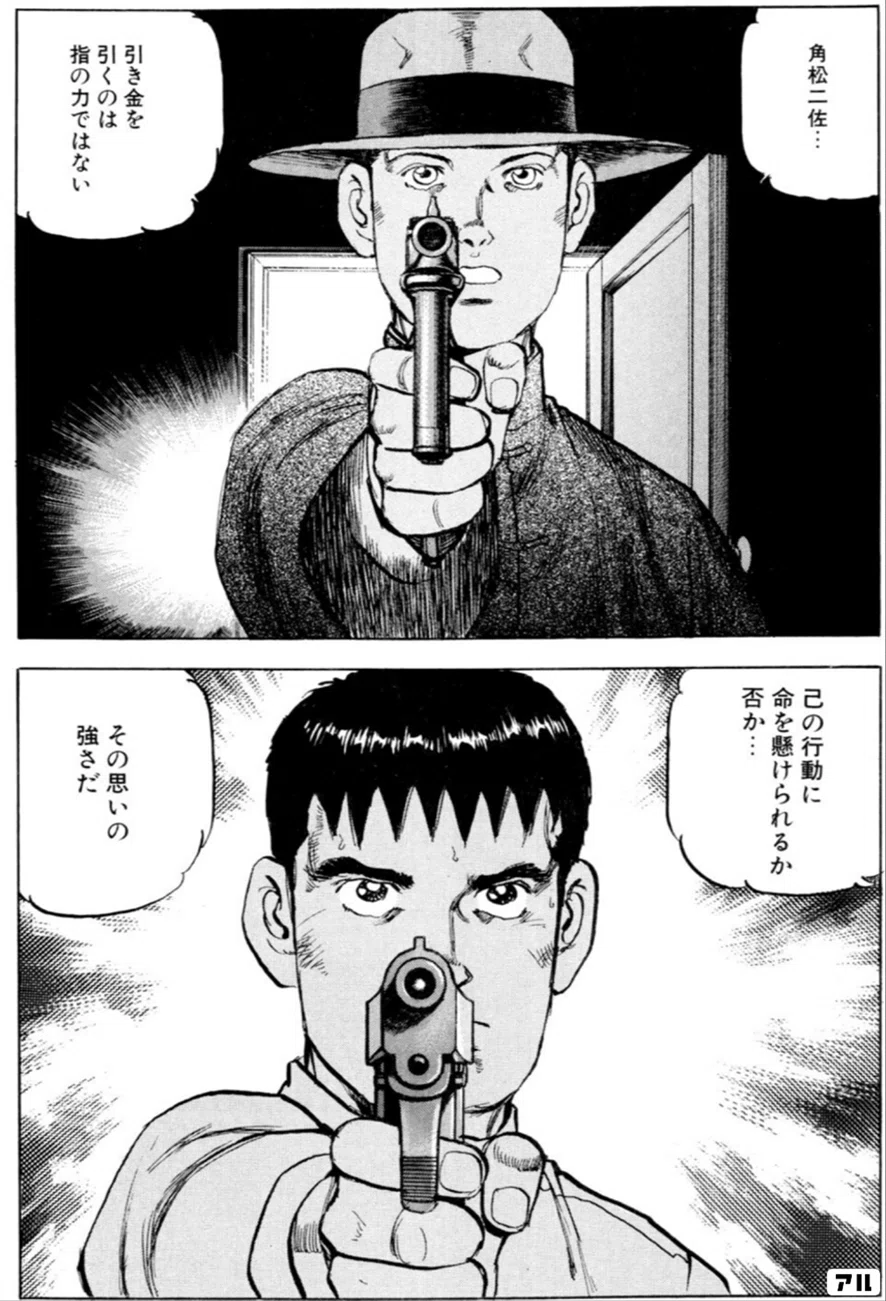
The uncertain horizon of manga
Takaichi has long supported constitutional revision, even during her years as a backbench member of the ruling party. The Liberal Democratic Party, to which she belongs, has proclaimed amending the Constitution a central goal since its founding in 1955. Yet despite having governed Japan for a total of roughly 67 of the past 71 years, it has never succeeded in achieving this objective. Now, as party leader and prime minister, buoyed by a landslide victory, she occupies a position that resembles that of a national president in all but name. Should global instability deepen further under the pressures of Trump, Putin and Xi, she could well secure another decisive mandate in the upper house election scheduled two years hence, clearing the final procedural hurdle toward constitutional revision: a national referendum.
If the First Camp has already become the settled will of the Japanese electorate, then manga artists — long aligned, temperamentally if not formally, with the Second Camp, for which even constitutional revision debate itself is normatively suspect — may find themselves stranded. The divine clause that had absolved decades of expressive excess may no longer function as an unquestioned moral horizon. What form, then, would a symbolic deicide take?
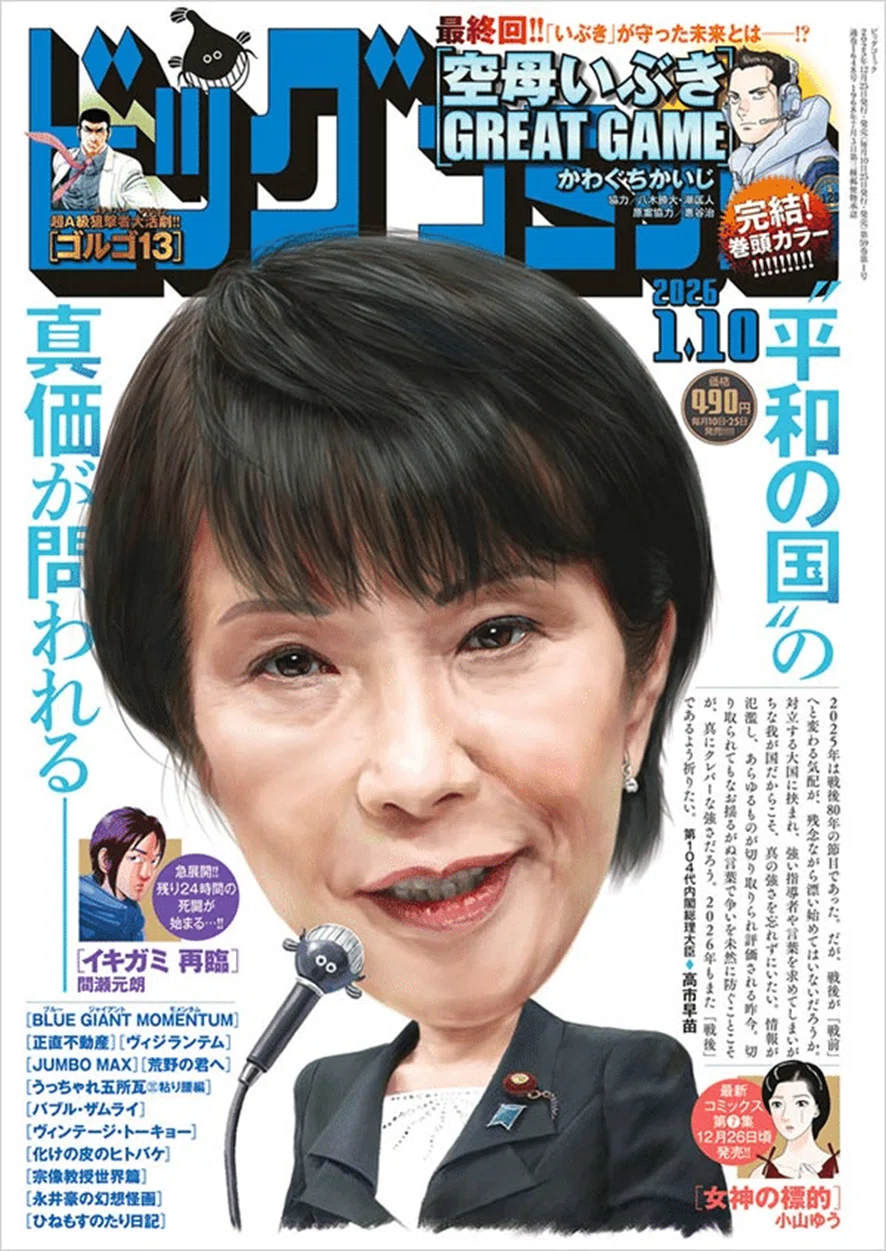
The second series of Aircraft Carrier Ibuki concluded last December with a dramatic finale: under Japan’s first female prime minister, a Maritime Self-Defense Force task group pushes the Russian Navy back from Japanese territorial waters. The magazine cover carrying that final installment featured a stylized portrait of Prime Minister Takaichi herself.
The post Japan’s First ‘President’ and the transformation of Japanese Comics: From <i>Godzilla</i> to <i>Aircraft Carrier Ibuki</i> appeared first on The Comics Journal.


 Hello, my name is Jack Sparrow. I'm a 50 year old self-employed Pirate from the Caribbean.
No comments:
Post a Comment