



Art director, book designer, and comics historian Steven Brower died on July 24, 2026, at the age of 74. Brower was the Creative Director for Print during a period when the magazine won a number of awards. As a historian of comics and visual imagery, he authored and edited over a dozen books, including several histories of Golden Age comics, a collection of artwork by Woody Guthrie, and his own Inside Art Direction. And throughout this time, he was also a professor at several universities.
Brower was born on June 23, 1952, and grew up in the Bronx. He got his first taste of the world of the art direction when he was 14 and got a summer job at the studio of his cousin, the renowned designer Milton Glaser. While doing routine work such as picking up breakfast, shooting and developing Photostats, and cutting Cellotac, an adhesive film, he also got to see the world of an art director up close. In a remembrance of Glaser published in TCJ in 2020, Brower wrote::
One day Milton called over the studio’s assistant, Brian. While I watched, Milton drew a line drawing of a box, explaining it was a light-box. He then drew an American flag on the top of the box, telling Brian to cut the colors out of Cellotac and to divide the plexiglass into the flag pattern. All of this took less than five minutes.
Brian spent the better part of the week creating the flag, which was then photographed and used for the inaugural album for the rock group “The Electric Flag.” The cover showed a glowing American flag, thus conveying visually the name of the band. When I saw the album, it only had Milton’s name listed for the credit, which I couldn’t understand. In my adolescent mind, it was Brian who had done all the work. It was only years later, that I finally understood. It was Milton’s concept and art direction. Brian was simply acting as his hands. I was witnessing genius at work.
Despite his cousin’s invitation, Brower did not return to Glaser’s studio the following summer; as he said in the TCJ article, “I did what any teenager in the late '60s would do: I never responded and played in rock and roll bands for the next 15 or so years.” Indeed, throughout his life he was an accomplished musician who played piano, guitar, and bass as well as writing his own songs.
He also moved on to New York’s renowned High School of Music & Arts, whose alumni include not only Glaser but a host of artists, writers, and designers. He graduated in 1970 and attended the School of Visual Arts from 1970 to 1972.
In 1980, at the age of 28, Brower began studying design at California State University, Fullerton. He graduated in 1984 and moved back to New York City, where he got a job as a cover designer for the New American Library. He rubbed shoulders with an eclectic crowd during that time. In 1986, while still at NAL, he started working with Barney Rosset, the former head of the literary house Grove Press, on Rossett’s new line of books, Blue Moon. Shortly thereafter, Brower got a full-time job as art director at Lyle Stuart Inc. (later Carol Publishing), so he dropped the Blue Moon gig, but later came back to it.
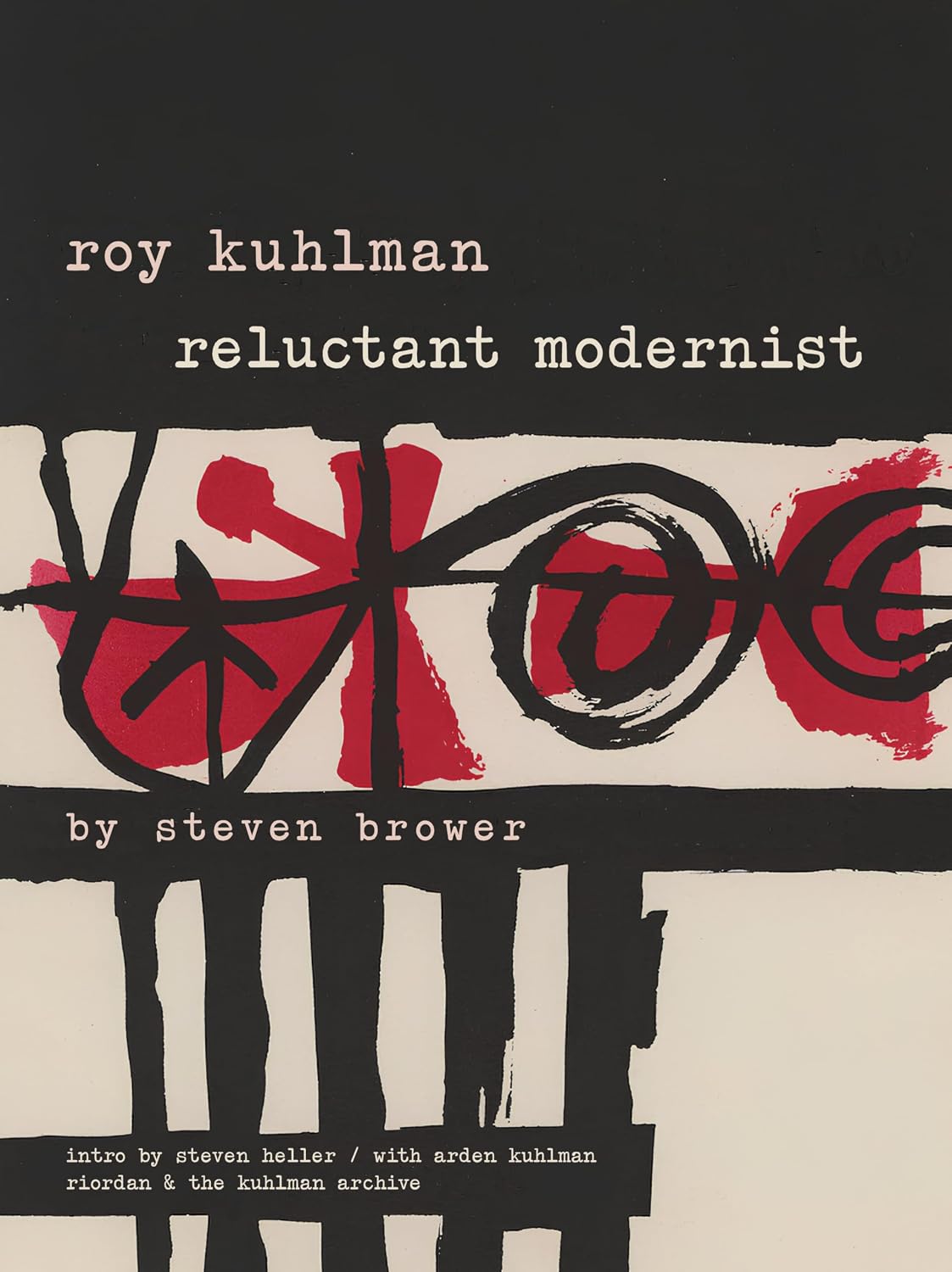
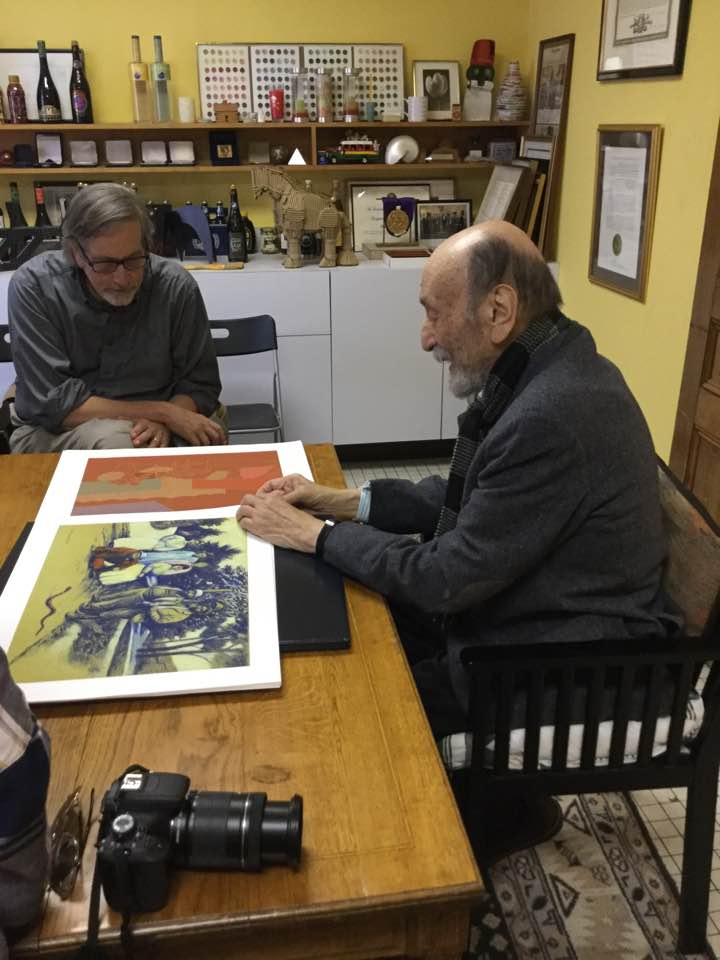
It was during his time at Blue Moon that Brower discovered the work of Roy Kuhlman, whose book covers for Grove Press are now regarded as iconic mid-century modern design. As Brower recounts in the introduction to his book, Roy Kuhlman: Reluctant Modernist:
Barney was living in a beautiful building across the street from the A[r]mory on the 4th floor. He had a loft-sized front room with a high ceiling and wall-to-wall, floor-to-ceiling bookshelves filled with books, mostly trade paperbacks. Barney was always late for every meeting and I’d be left to my own devices for an hour or so. Once I realized that this was the pattern, I started going through all the books and every single beautiful cover [bore] the fortuitously named “[Roy] Kuhlman.” … Each cover was more inventive than the next. I was enthralled.
Brower reached out to Kuhlman and in 1994 interviewed him for Print magazine, which led directly to Kuhlman being named to the Art Directors Club Hall of Fame the following year. The two became lifelong friends, meeting a few times a year to talk design.

From this point on, Brower’s career branches in three directions: Writing, teaching, and above all, design.
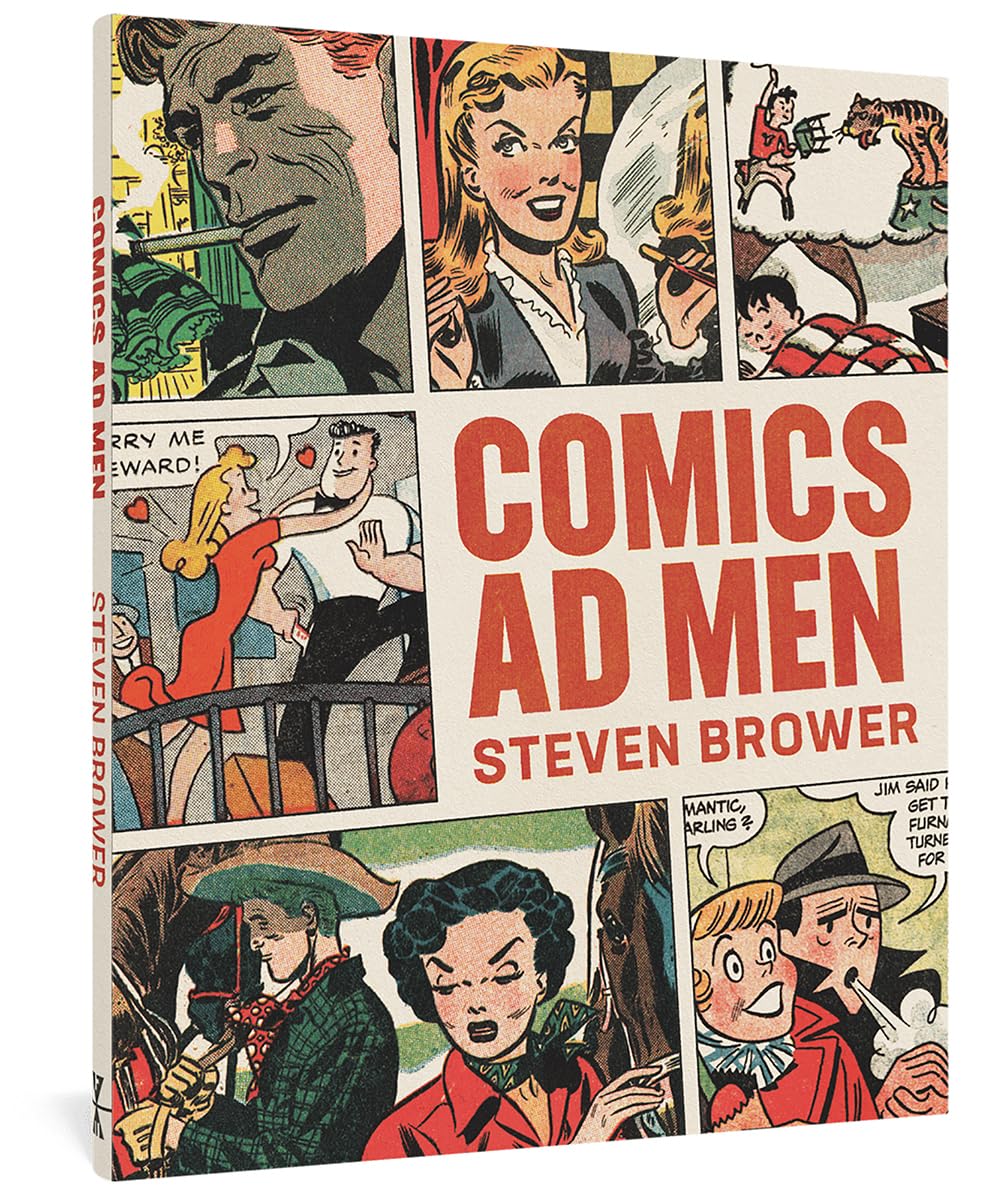
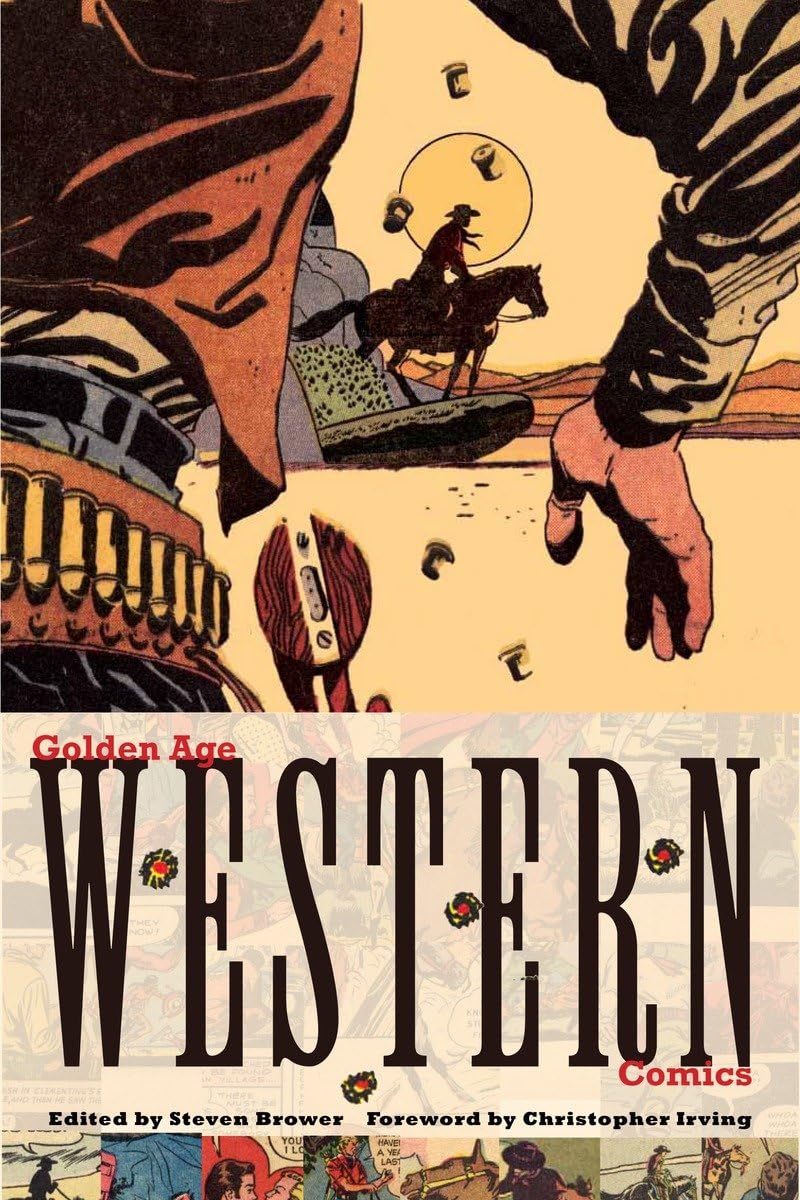
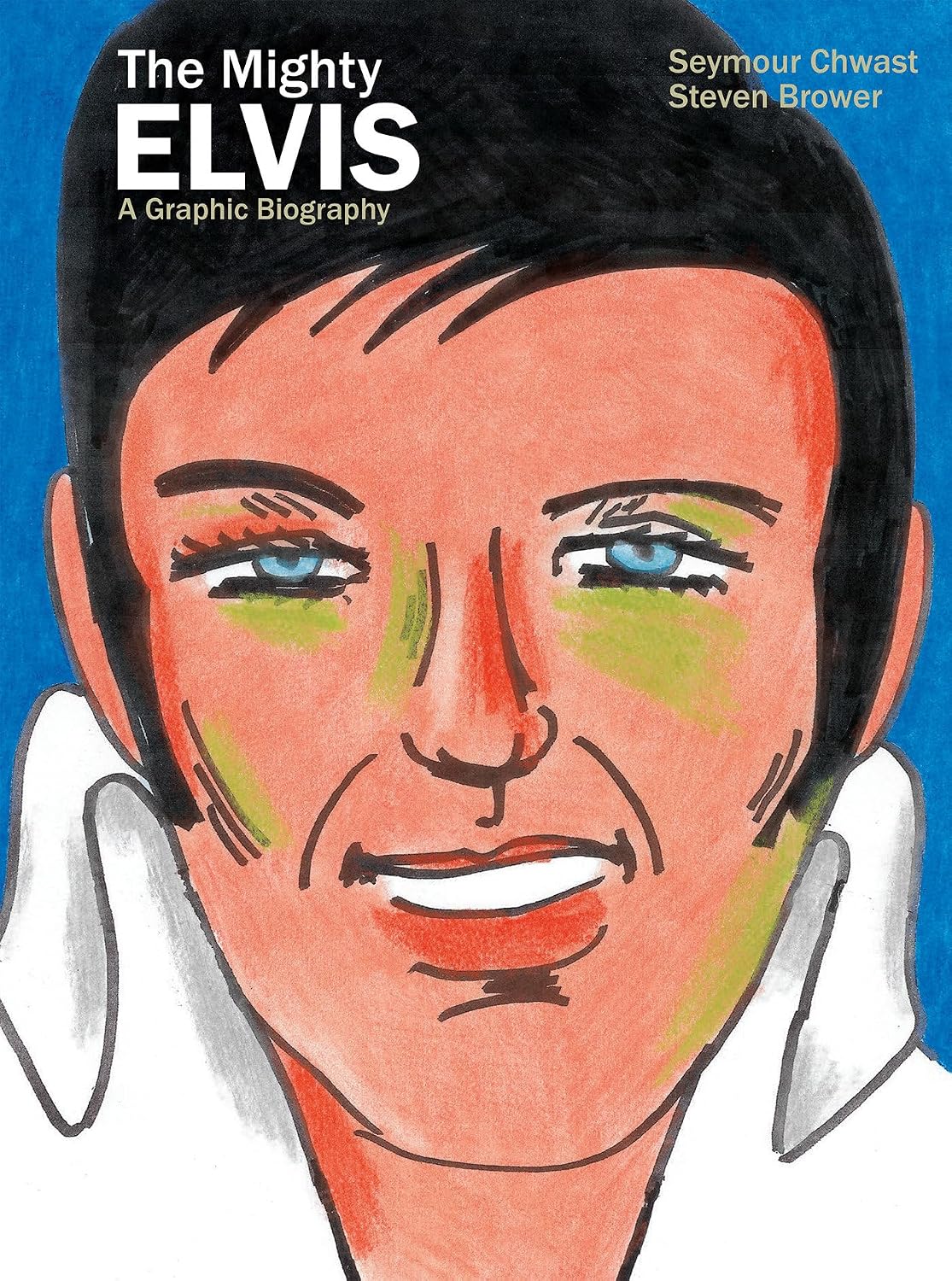
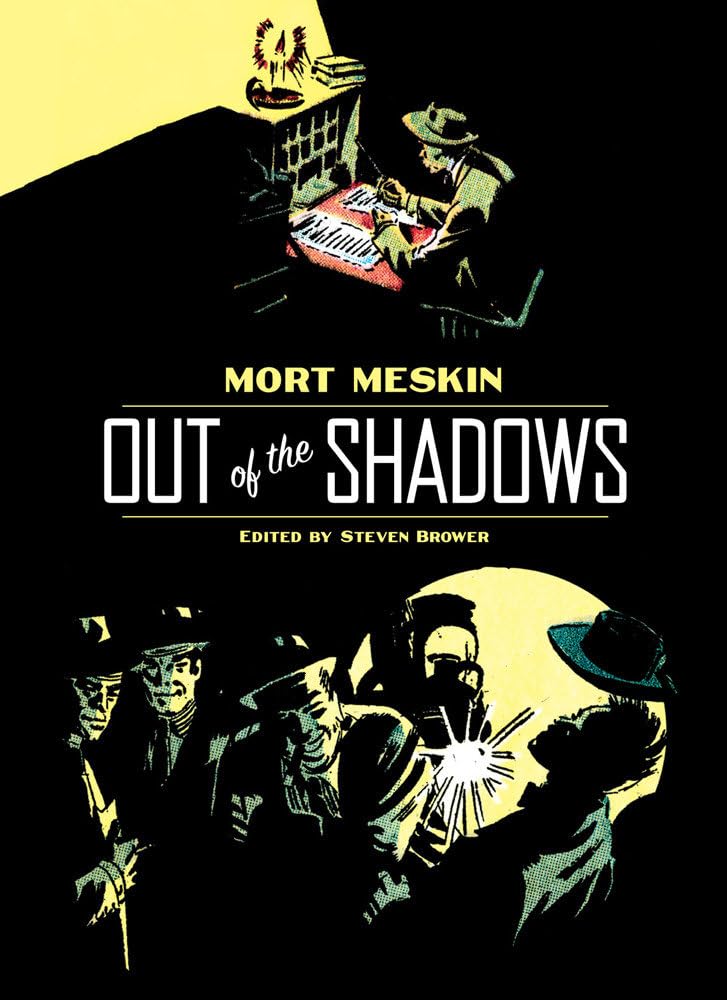
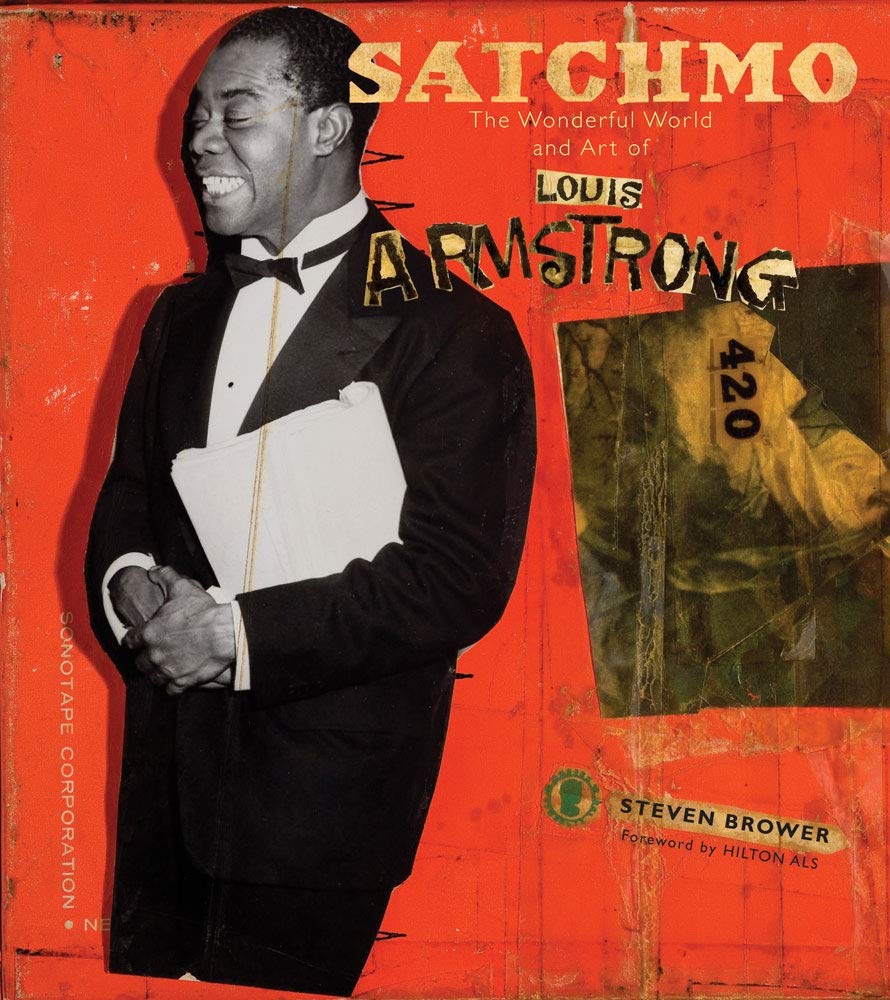
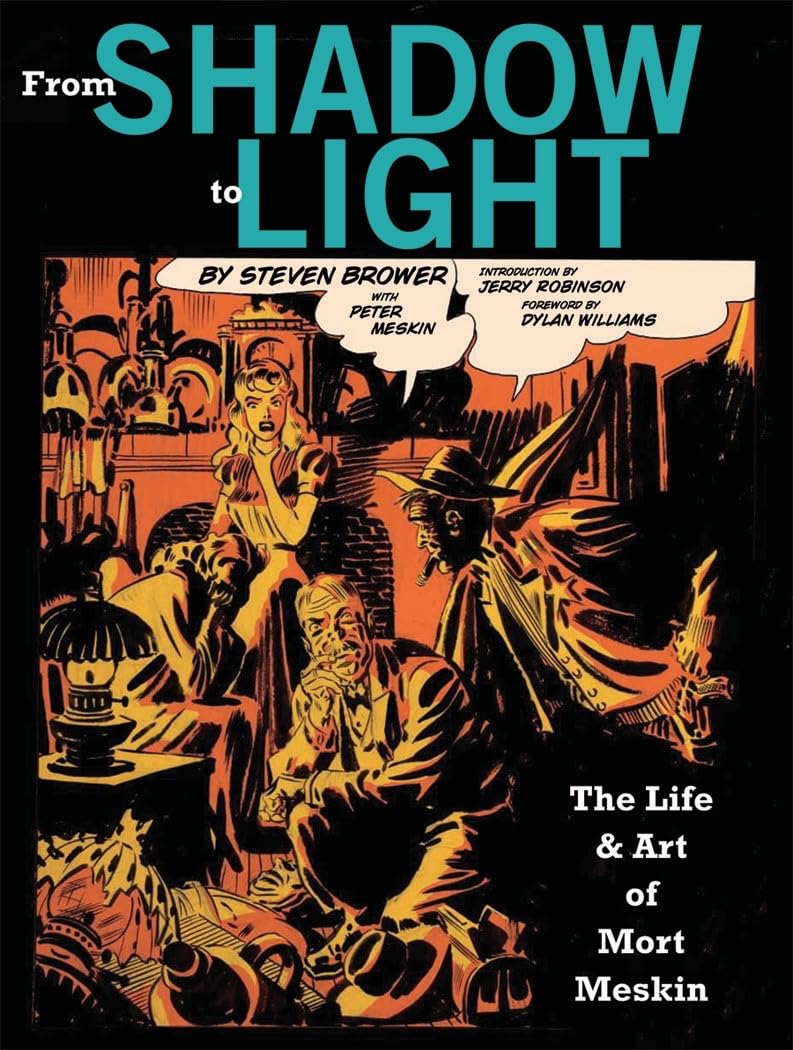
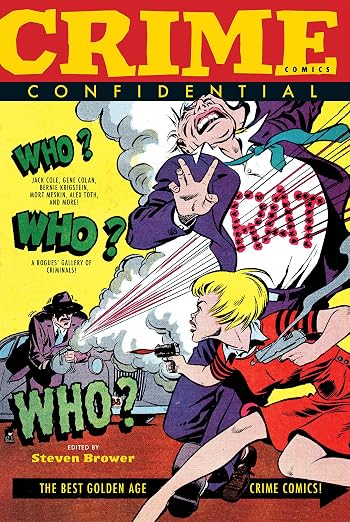
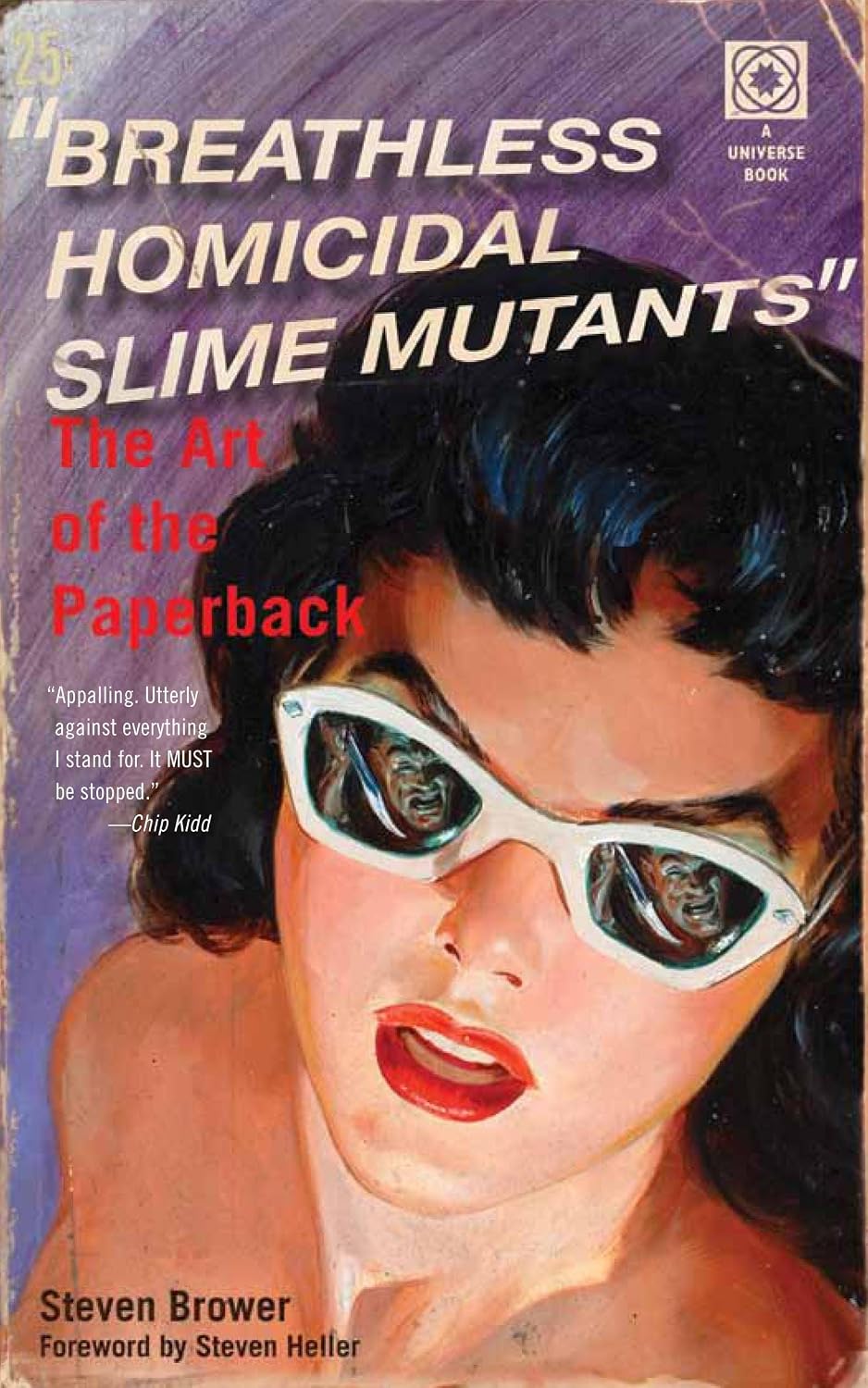
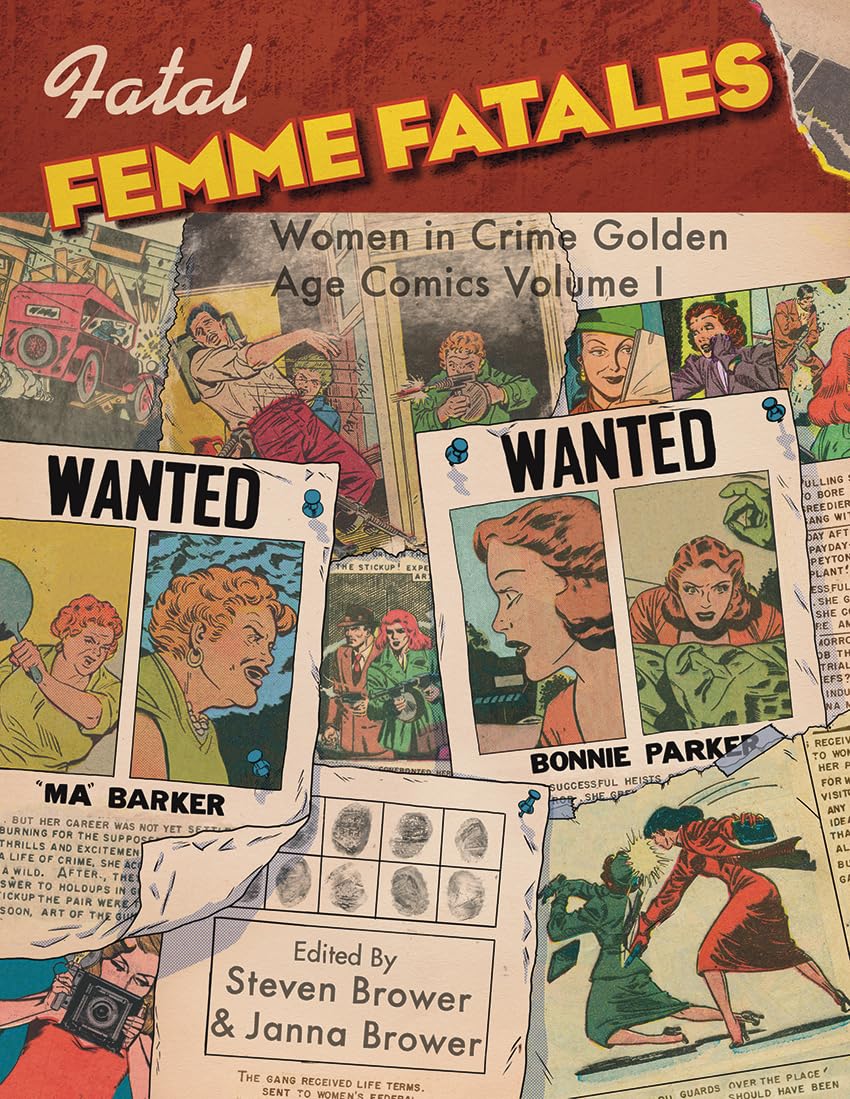
Brower wrote and edited over a dozen books on a variety of topics. Music was one: He designed and edited a book of artwork by Woody Guthrie and visual biographies of Louis Armstrong, Duke Ellington, and Elvis. Golden Age comics were another interest, and he authored a number of collections of those, including the droll Comics Ad Men, featuring ads from the 1950s peopled by familiar-looking characters by the creators of Hi and Lois and Dennis the Menace.
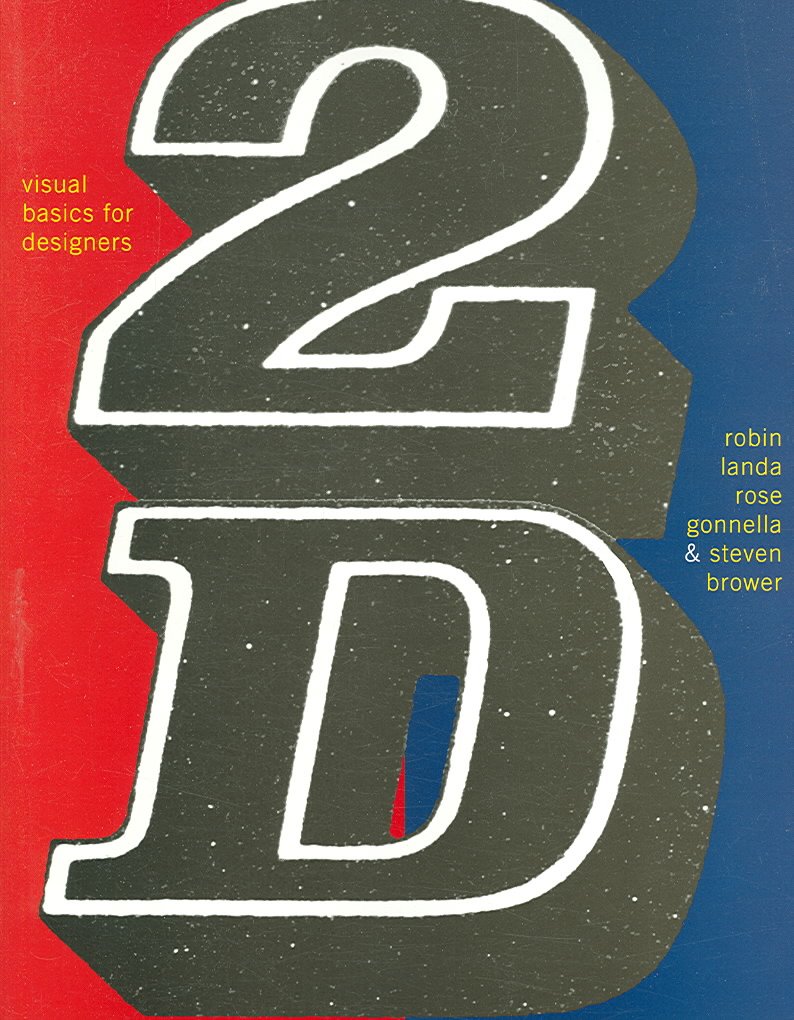
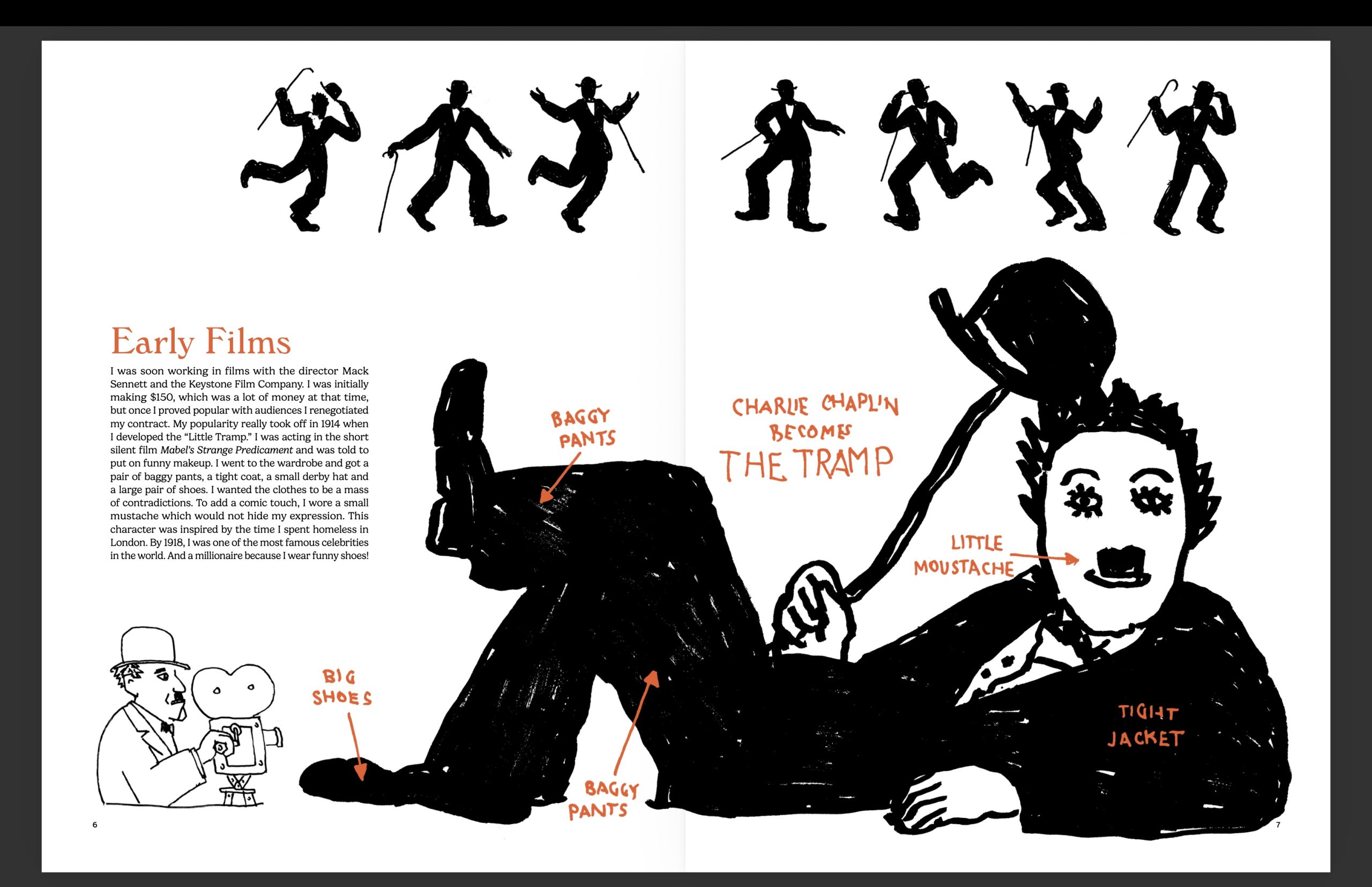
And then there were the books on design, most recently, 2019’s Inside Art Direction and the aforementioned Roy Kuhlman: Reluctant Modernist, which was released in 2025. Another 2025 release: Charlie: Charlie Chaplin, the Funniest Man in the World, with Brower’s fictional memoir of Chaplin juxtaposed with whimsical drawings of The Little Tramp by Seymour Chwast, Glaser’s onetime partner at Push Pin Studios.
Brower taught for decades. He was a professor at Marywood University in Scranton, Pa., from 1995 until his death, and for 13 years he was the director of the “Get Your Masters with the Masters,” a low-residency MFA program there. He also had stints as a professor or adjunct professor at SVA, Rutgers, Monmouth University, and Kean University. “He was a great professor who touched and inspired so many lives,” a former student wrote on Facebook. “Working with Steven Brower through many years of the Marywood MFA challenged me to be a much better designer and educator.”

Simultaneous with these, Brower built a career as an art director. In 1994 he set up Steven Brower Design, and in 1995 he left Carol Publishing for The Push Pin Group, where he was an associate for five years. In 1999, Brower became Creative Director of Print. The magazine won a number of awards for work done under his watch, including the American Society of Magazine Editors’ award for General Excellence in 2002 and 2005. After that he continued to work as an Art Director and Creative Director for numerous publications. It was design that wove the strands together: He wrote about design, he taught design, he was a designer.
“Steven Brower was a giant among others in his profession,” Chwast wrote on Facebook:
It was a joy working with him on two books — Elvis and another on Chaplin. I'll always remember his empathy for others along with his explosive laughter which only enhanced the respect for others.
My only regret was not having to work with him on his favorite subject: Music. I'll never forget two of his great qualities, patience and perseverance.
That was Steven Brower.
Enjoy Brower's contributions to TCJ in the list below:
Joe Simon, Jack Kirby and Mort Meskin in Slumberland
My Uncle Milton – A Milton Glaser Remembrance by Steven Brower
The Strange Case of D. Bruce Berry
Who Built the Mouse in the House the Mouse Built?
A Complete Unknown: Lionel Ziprin (a particularly beloved feature- Ed.)
Roy Kuhlman, graphic designer and hidden cartoonist
The post To The Letter: Steven Brower, 1952-2026 appeared first on The Comics Journal.


 Hello, my name is Jack Sparrow. I'm a 50 year old self-employed Pirate from the Caribbean.
No comments:
Post a Comment